Regular Cleaning in Everyday Life: Why Consistency Creates a Healthier, Happier Space
Regular cleaning is one of the simplest habits that can dramatically improve how a home, office, or commercial space looks, feels, and functions. While deep cleaning has its place, regular cleaning is what keeps dirt, dust, clutter, and bacteria from building up in the first place. It supports better hygiene, preserves surfaces, improves indoor air quality, and creates an environment that feels calm and welcoming. Whether you live in a busy household, manage a workplace, or simply want your space to stay fresh, the value of regular cleaning cannot be overstated.
Many people think cleaning is only about appearance, but it goes far beyond that. Consistent cleaning routines reduce allergens, lower the spread of germs, and help prevent long-term damage to furniture, flooring, and appliances. Regular cleaning also saves time because tasks are easier to manage when they are done frequently rather than neglected for weeks. For busy families, working professionals, landlords, and business owners, a dependable cleaning schedule is often the difference between staying in control and feeling overwhelmed.
In this article, we will explore the benefits of regular cleaning, the best practices for maintaining different spaces, and practical ways to build a routine that lasts. You will also learn how regular cleaning supports health, productivity, and property value. If you are looking for a cleaner, more organized environment, regular cleaning in daily life is the habit that helps everything else fall into place.
The Importance of Regular Cleaning
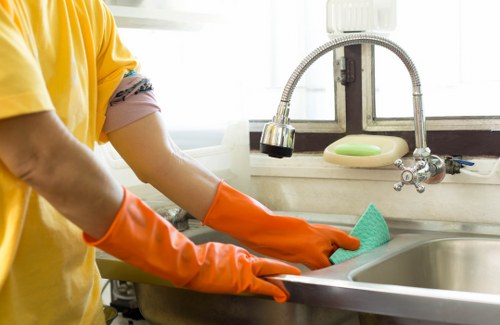
Regular cleaning is important because mess and grime do not appear all at once; they accumulate gradually. Dust settles on surfaces, moisture creates stains, crumbs attract pests, and clutter makes spaces feel smaller and more stressful. By cleaning consistently, you stop minor messes from turning into major problems. That is one of the biggest reasons homeowners and business managers rely on regular cleaning schedules.
Another major benefit is hygiene. High-touch surfaces such as door handles, countertops, sinks, desks, and switches can quickly become breeding grounds for germs. Routine cleaning helps reduce the presence of bacteria and viruses, especially in shared environments. For households with children, older adults, or pets, regular cleaning is especially valuable because it helps protect vulnerable members of the family.
There is also a psychological benefit. A clean room often feels lighter, more organized, and less stressful. Many people find it easier to focus, relax, and think clearly in a tidy environment. That is why regular cleaning services are often associated with improved comfort and better daily routines.
Health Benefits of Regular Cleaning

One of the strongest arguments for regular cleaning is the positive effect it has on health. Dust, mold, pet dander, pollen, and other allergens can accumulate quickly in carpets, upholstery, vents, and corners. If not addressed, these irritants may contribute to sneezing, coughing, headaches, and respiratory discomfort. Regular cleaning helps reduce allergen buildup and creates a healthier indoor environment.
Kitchen and bathroom areas deserve special attention because they are naturally more prone to germs, moisture, and residue. Regular sanitizing of sinks, toilets, countertops, and appliances prevents bacteria from spreading and keeps unpleasant odors under control. In many homes, routine cleaning is the best defense against mold growth, sticky buildup, and hidden contamination.
Clean spaces can also support mental health. When a room is cluttered or dirty, it can create a subtle sense of chaos. By contrast, a clean and orderly setting often feels more peaceful. Many people notice that regular cleaning improves their mood and reduces the mental load of unfinished chores. In this way, cleaning is not just about physical hygiene; it is also about emotional well-being.
How cleaner spaces support wellness
A cleaner environment can contribute to:
- Reduced exposure to dust and allergens
- Lower risk of cross-contamination on surfaces
- Less stress caused by clutter and disorder
- Better sleep in calm, tidy bedrooms
- Improved focus in workspaces and study areas
How Regular Cleaning Protects Your Property
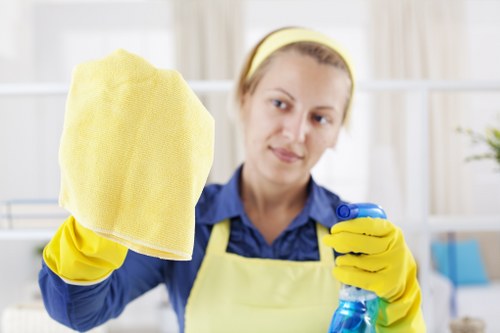
Regular cleaning does more than improve appearance; it helps protect your investment. Dust, dirt, grease, and grime can cause gradual wear on flooring, countertops, upholstery, and appliances. When these surfaces are cleaned regularly, they last longer and maintain their finish. This is especially important in high-traffic spaces where foot traffic and frequent use accelerate wear and tear.
For example, carpet fibers that are not cleaned often can trap abrasive particles that damage the fabric over time. Similarly, kitchen grease left unattended may become difficult to remove and can stain cabinets or walls. Bathroom moisture, if not managed through routine cleaning, can lead to mold and mildew that harm tiles, grout, and seals. Regular cleaning helps prevent these issues before they become expensive repairs.
Property value is another reason to take regular cleaning seriously. A well-maintained home or commercial property tends to look more attractive to visitors, tenants, buyers, and clients. Clean environments signal care, responsibility, and professionalism. Whether you are preparing to sell a home or simply want to keep your space in top condition, regular cleaning routines are a smart long-term strategy.
Surface care that matters most
Focus on areas that are most affected by daily use, such as:
- Floors and baseboards
- Kitchen counters and sinks
- Bathroom tiles and fixtures
- Windows and glass surfaces
- Furniture, fabric, and upholstery
Building an Effective Regular Cleaning Routine

The best way to maintain a clean space is to create a routine that is realistic and easy to follow. Regular cleaning works best when tasks are broken into manageable steps instead of being saved for one exhausting weekend session. A simple routine ensures that essential tasks are completed consistently without feeling overwhelming.
Start by identifying the areas that need attention every day, every week, and every month. Daily tasks usually include wiping counters, washing dishes, sweeping high-traffic areas, and making beds. Weekly tasks might include vacuuming, mopping, cleaning bathrooms, dusting furniture, and changing linens. Monthly tasks often involve deeper attention to appliances, vents, windows, and storage areas.
Consistency matters more than perfection. A routine that is simple enough to maintain will always be more effective than an overly ambitious plan that gets ignored. This is why many families and businesses prefer regular cleaning schedules over occasional big cleanups. The goal is not to clean constantly; it is to clean strategically and consistently.
Sample cleaning rhythm
- Daily: Tidy visible mess, sanitize high-touch points, and keep floors clear.
- Weekly: Dust, vacuum, mop, clean bathrooms, and wipe kitchen appliances.
- Monthly: Check hidden areas, clean vents, organize storage, and refresh fabrics.
- Seasonally: Rotate bulky items, declutter thoroughly, and handle deeper maintenance tasks.
Regular Cleaning in Different Areas of the Home
Every room in the home benefits from regular cleaning, but each area has its own priorities. Understanding those priorities helps you clean more efficiently and avoid missing problem spots. Kitchens, bathrooms, bedrooms, living rooms, and entryways all need different methods and frequencies, yet they are all part of the same larger routine.
Kitchen cleaning should focus on food safety and odor control. Counters, sinks, stovetops, and handles should be cleaned often. Refrigerators should be checked for spills and expired items. Floors should be swept regularly to remove crumbs and grease. A clean kitchen supports healthier meal preparation and makes daily cooking more enjoyable.
Bathrooms need routine sanitation because they are moisture-heavy and heavily used. Toilets, sinks, mirrors, showers, and floors should be cleaned on a regular basis to prevent buildup and reduce bacteria. Bedrooms benefit from dusting, linen changes, and clutter removal, while living rooms need vacuuming, surface wiping, and fabric care. Entryways should be kept clear so dirt from outside does not spread throughout the home.
Room-by-room priorities
- Kitchen: grease, crumbs, spills, and food residue
- Bathroom: moisture, soap buildup, and sanitation
- Bedroom: dust, linens, and under-bed clutter
- Living room: surfaces, upholstery, and floor traffic
- Entryway: shoes, dirt, and organization
Regular Cleaning for Offices and Workspaces
Workplaces also depend heavily on regular cleaning. Offices, meeting rooms, reception areas, and shared break spaces can quickly collect dust, fingerprints, trash, and germs. A consistent cleaning plan helps create a professional atmosphere, supports employee wellness, and leaves a positive impression on visitors and clients. Clean workspaces are often more productive because people can focus better when their environment is orderly and fresh.
Shared desks, keyboards, phones, and communal surfaces should be cleaned often to reduce the spread of germs. Trash bins need regular emptying, carpets may require routine vacuuming, and bathrooms should always be sanitized properly. In business settings, regular cleaning is part of maintaining a safe and presentable workplace, not just a matter of appearance.
Productivity is another key factor. A clutter-free and hygienic space can help staff stay motivated and organized. Clean offices also support better client experiences, which can influence trust and brand perception. For these reasons, many organizations invest in scheduled cleaning services to keep operations running smoothly.
Benefits for professional environments
- Improved first impressions
- Reduced employee absenteeism from germ exposure
- Better organization and workflow
- Longer lifespan for office furniture and flooring
- More comfortable shared spaces
Tools and Supplies That Support Regular Cleaning
The right tools can make regular cleaning easier, faster, and more effective. Instead of relying on one all-purpose product for everything, it helps to keep a small collection of reliable supplies on hand. Good tools reduce effort and make it more likely that routine tasks will actually get done. They also help ensure that surfaces are cleaned properly without damage.
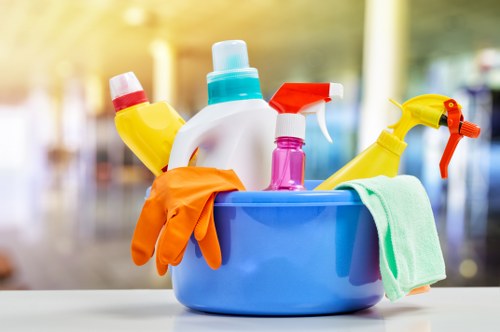
Basic cleaning supplies often include microfiber cloths, a vacuum, a mop, a broom, sponges, disinfectant, glass cleaner, scrub brushes, and a multi-surface cleaner. Depending on the space, you may also need gloves, trash bags, a duster, and specialized solutions for wood, tile, stainless steel, or fabric. Keeping supplies organized in one accessible place can make cleaning feel much less like a chore.
It is also worth paying attention to product safety. Choose cleaning products that are suitable for the surfaces in your home or office, and always follow the instructions. When used properly, the right products support a cleaner result with less time and effort. That is one of the key advantages of building a smart regular cleaning routine instead of cleaning randomly.
Helpful supply checklist
- Microfiber cloths
- Vacuum cleaner
- Mop and bucket
- Non-abrasive scrub pads
- Surface-safe disinfectant
- Glass and mirror cleaner
- Trash liners
- Gloves for protection
Common Mistakes People Make with Regular Cleaning
Even when people intend to clean regularly, certain mistakes can reduce the effectiveness of their efforts. One common mistake is only cleaning what is visible. Hidden spots such as under furniture, behind appliances, and inside storage areas are often forgotten, even though they collect dust and grime quickly. Another mistake is using too much product, which can leave residue behind and attract more dirt.
Some people also delay cleaning until a space feels unmanageable. This usually makes the task harder than it needs to be. Regular cleaning is most efficient when it is done before messes become overwhelming. Skipping tasks repeatedly can create a backlog that feels discouraging, while a steady routine keeps everything under control.
In addition, using the wrong tools or products can cause damage. Harsh cleaners may scratch delicate finishes, and poor cleaning habits can spread dust or bacteria instead of removing them. Learning the basics of proper cleaning methods helps you get better results with less effort. In short, regular cleaning should be consistent, targeted, and appropriate for each surface.
Errors to avoid
- Only cleaning visible surfaces
- Waiting too long between cleanings
- Using too much product or the wrong product
- Ignoring high-touch areas
- Forgetting hidden and hard-to-reach spots
How Regular Cleaning Saves Time and Money
At first, regular cleaning may seem like another task on an already long list. However, it often saves time in the long run. Small, frequent cleanups are usually much faster than major restorations after weeks or months of neglect. When dirt is handled early, you avoid the effort of scrubbing hardened stains, removing buildup, or sorting through clutter.
Regular cleaning can also reduce costs. By protecting flooring, furniture, appliances, and fixtures from long-term damage, you extend their lifespan and reduce the need for repairs or replacements. In commercial spaces, this can mean fewer maintenance issues and less disruption to daily operations. For homeowners, it means preserving the condition of the property and reducing avoidable expenses.
There is also value in the time saved by being organized. When a space is consistently maintained, you spend less time searching for items, moving clutter, or fixing preventable problems. That efficiency is one of the most practical benefits of regular cleaning services and home cleaning habits alike.
When to Consider Professional Cleaning Support
While many tasks can be handled at home or in-house, there are times when professional support makes sense. Busy schedules, large properties, seasonal deep cleaning, and specialized surface care may require more time and expertise than you can realistically provide on your own. In these situations, professional help can complement your existing routine and keep standards high.
Professional cleaners often bring specialized tools, efficient methods, and experience with different materials and spaces. They can tackle areas that are difficult to reach or maintain and help reinforce the benefits of regular cleaning. Even if you prefer to do most tasks yourself, occasional professional support can make a noticeable difference.
If your space has frequent foot traffic, allergy concerns, or demanding maintenance needs, it may be worth adding external support to your plan. Book your service now if you want to save time and maintain a consistently clean environment without the stress of handling everything alone.
Practical Tips to Make Regular Cleaning Easier
One of the best ways to stay consistent is to make cleaning as easy as possible. If your supplies are stored in convenient locations and your routine is broken into short tasks, you are more likely to follow through. Simple habits often make the biggest difference over time. That is the real power of regular cleaning: small actions repeated consistently.
Try tying cleaning tasks to daily routines. For example, wipe the kitchen counters after meals, tidy one room before bed, or spend ten minutes each morning clearing surfaces. These short actions prevent messes from building up and make the entire home feel easier to manage. If several people live or work in the same space, assigning shared responsibilities can also help keep things balanced.
You can also make use of reminders, checklists, and recurring schedules. A visible plan helps keep cleaning from slipping through the cracks. Once a routine becomes a habit, it requires less effort to maintain. Over time, regular cleaning becomes part of how the space naturally runs.
Simple habit-building ideas
- Set a 10-minute daily cleaning timer
- Store supplies where they are easy to reach
- Assign tasks to specific days
- Clean as you go during cooking or working
- Declutter before dirt accumulates
Conclusion: Why Regular Cleaning Always Pays Off
Regular cleaning is one of the most practical and rewarding habits for any home or workplace. It improves health, protects property, supports mental clarity, and saves time and money over the long term. Rather than waiting for messes to become overwhelming, a steady cleaning routine helps you stay ahead of the problem. That leads to a space that feels more comfortable, looks more polished, and functions more efficiently.
Whether you are cleaning a family home, maintaining an office, or simply trying to make your daily environment more manageable, regular cleaning offers lasting benefits. It is not about perfection; it is about consistency. When you clean often enough to prevent buildup, the entire space becomes easier to enjoy and easier to maintain.
If you are ready to create a cleaner, healthier, and more organized environment, start with a simple plan and stick to it. And if you need extra support, contact us today or book your service now to keep your space looking its best all year round.