Office Cleaning That Improves Productivity, Health, and First Impressions
Why Office Cleaning Matters for Modern Workplaces
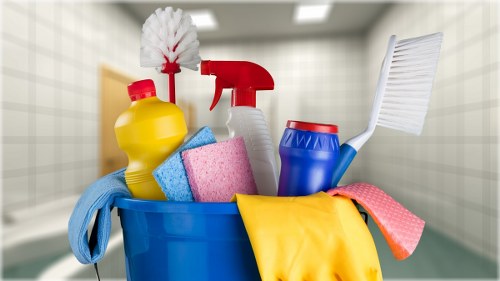
Office cleaning is more than a routine chore; it is a business essential that affects health, morale, productivity, and brand perception. A clean workplace creates a welcoming environment for employees, clients, and visitors while also helping reduce dust, allergens, and germs that can spread through shared spaces.
When office cleaning is done consistently and professionally, it supports a smoother workflow and a more organized atmosphere. Employees often perform better in a tidy space because they spend less time dealing with clutter, unpleasant odors, or distractions caused by dirty surfaces. In today’s competitive environment, every detail matters, and the state of your office says a lot about your company.
There is also a strong connection between cleanliness and trust. A polished reception area, sparkling floors, and sanitary restrooms communicate reliability and attention to detail. Whether your business serves customers in person or works mostly behind the scenes, office cleaning helps shape the impression people form within seconds of walking through the door.
What Professional Office Cleaning Usually Includes
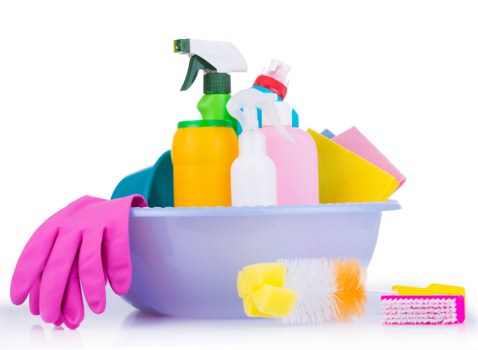
Professional office cleaning services typically cover a wide range of tasks designed to keep workspaces consistently clean and hygienic. These services are usually tailored to the size of the office, the number of employees, the type of business, and the level of foot traffic in the building.
Common office cleaning tasks include:
- Dusting desks, shelves, trim, and office equipment
- Vacuuming carpets and rugs
- Mopping hard floors and cleaning high-traffic pathways
- Emptying trash and recycling bins
- Wiping down door handles, switches, and shared surfaces
- Cleaning kitchens, break rooms, and coffee stations
- Sanitizing restrooms and replenishing supplies
Some providers also offer deep office cleaning, which goes beyond standard maintenance. This may include carpet extraction, interior window washing, upholstery cleaning, and detailed disinfection of hard-to-reach areas. These tasks are especially valuable in busy offices where buildup occurs quickly.
How Office Cleaning Supports Health and Safety
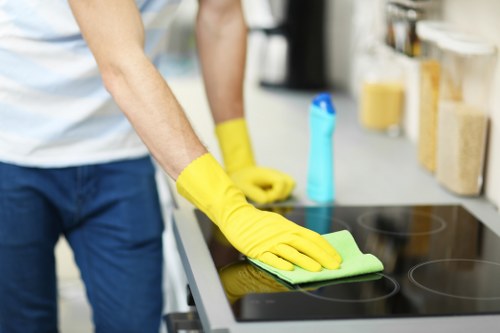
One of the biggest reasons businesses invest in office cleaning is to create a healthier environment. Shared spaces can quickly become breeding grounds for bacteria and viruses, especially when employees gather in meeting rooms, kitchens, and restrooms. Regular cleaning helps reduce the spread of illness and supports better attendance across the organization.
Dust and allergens can also affect indoor air quality. Offices with carpets, fabric chairs, vents, and computer equipment often collect particles that may trigger sneezing, coughing, or eye irritation. Routine cleaning removes these contaminants and helps maintain a more comfortable workplace for everyone.
In addition to hygiene, office cleaning supports safety by reducing slip hazards, removing clutter from walkways, and keeping spills under control. Well-maintained offices are less likely to experience accidents caused by dirty floors, blocked exits, or neglected maintenance issues.
Health Benefits Employees Notice Every Day
Employees may not always comment on a clean office, but they notice the difference. Office cleaning helps create a more pleasant daily experience by limiting odors, improving organization, and making shared spaces more usable. When restrooms are sanitary and break rooms are tidy, people feel more comfortable using them.
A cleaner environment can also contribute to better focus. It is easier to concentrate when desks are neat, surfaces are wiped down, and the office does not feel chaotic. This matters in open-plan spaces, where visual distractions can affect concentration and workflow.
Many companies find that investing in regular office cleaning services is also a subtle but effective way to show employees they are valued. Cleanliness signals care, and that can positively influence morale, confidence, and overall job satisfaction.
Clean offices can support:
- Lower exposure to germs and allergens
- Greater comfort in shared environments
- Improved focus and concentration
- Reduced workplace stress
- Better restroom and kitchen hygiene
Why First Impressions Depend on Office Cleaning

Visitors often decide how they feel about a business within moments of entering the office. Clean floors, polished furniture, and fresh-smelling rooms immediately suggest professionalism. On the other hand, dusty surfaces, overflowing bins, and stained carpets can create doubt about the quality of your service or operation.
Office cleaning plays a major role in customer-facing areas such as lobbies, reception desks, conference rooms, and meeting areas. These spaces should look presentable at all times because they are often the first and last places people see. A clean environment helps create confidence and sets the tone for successful interactions.
Even if your office is not open to the public every day, internal meetings, partner visits, and interviews still call for a strong presentation. A reliable cleaning schedule ensures the workplace is always ready to represent your brand in the best possible way.
Choosing the Right Office Cleaning Schedule
The ideal office cleaning schedule depends on several factors, including office size, employee count, visitor frequency, and the nature of the work performed. A small office with limited foot traffic may only need daily light cleaning and weekly deeper tasks, while a large commercial space may require service several times a week or even every day.
To determine the right schedule, businesses should consider which areas are used most often. Restrooms, kitchens, and shared meeting rooms usually require more frequent attention than private offices or storage rooms. High-touch surfaces such as keyboards, phones, lift buttons, and door handles should also be cleaned regularly.
Consistency is the key to effective office cleaning. A one-time refresh may improve appearance briefly, but ongoing maintenance is what preserves cleanliness and supports long-term hygiene. Businesses that plan ahead usually enjoy better results and fewer disruptions.
Factors that affect office cleaning frequency include:
- Number of employees and daily visitors
- Size and layout of the workspace
- Industry type and cleanliness expectations
- Presence of shared equipment or common areas
- Seasonal factors such as dust, rain, or pollen
Benefits of Hiring Professional Office Cleaning Services

While some businesses assign light cleaning tasks to staff, professional office cleaning services offer a higher level of consistency, expertise, and efficiency. Trained cleaners know how to work systematically, use the right products, and complete tasks without disrupting the workday.
One major advantage is time savings. Employees are hired to do their jobs, not to worry about deep cleaning desks or scrubbing restrooms. Outsourcing office cleaning allows the team to stay focused on productive work while ensuring the office remains in top condition.
Professional cleaners also bring specialized tools and experience. They understand how to handle different flooring types, sanitize high-touch points, and maintain delicate surfaces safely. This reduces the risk of damage while improving the overall quality of the cleaning outcome.
Key advantages of professional office cleaning include:
- Reliable and consistent results
- Access to trained cleaning staff
- Use of proper cleaning methods and products
- Improved workplace hygiene
- Less strain on internal employees
- Flexible service plans for different business needs
Common Areas That Need Extra Attention
Every office has certain zones that collect dirt, germs, and clutter more quickly than others. These high-use areas should be a priority in any office cleaning plan because they affect both appearance and sanitation.
Restrooms require frequent cleaning due to their heavy use and the importance of hygiene. Break rooms and kitchens also need regular disinfection because food, drinks, and shared appliances can attract bacteria and create odors. Entryways and reception areas are another priority because they shape the first impression of the workplace.
Conference rooms, copy areas, and shared desks should also be cleaned thoroughly. These spots often contain shared items that multiple employees touch throughout the day, making them important locations for routine sanitizing. The more traffic a space receives, the more attention it needs.
High-priority office zones:
- Reception and lobby areas
- Restrooms
- Kitchenettes and break rooms
- Conference and meeting rooms
- Shared desks and workstations
- Hallways, elevators, and entry points
Office Cleaning and Workplace Productivity
A clean office does not just look better; it can also support better performance. Employees are more likely to stay organized and focused when their environment is neat and free from unnecessary mess. Office cleaning helps remove the visual and physical clutter that can interfere with concentration.
When surfaces are clean and supplies are in the right place, it becomes easier for teams to work efficiently. People waste less time searching for items, dealing with sticky desks, or navigating crowded storage areas. The result is a more streamlined workplace with fewer distractions.
Productivity can also improve because a clean office fosters a more professional mindset. People tend to be more respectful of their workspace when it is maintained properly. That sense of order often carries over into communication, time management, and overall work quality.
How cleanliness influences output
- Reduces distractions and visual clutter
- Encourages organization and routine
- Supports employee comfort
- Creates a more focused work environment
- Helps teams work more efficiently
Eco-Friendly Office Cleaning Options
Many businesses now prefer eco-friendly office cleaning methods that reduce environmental impact without sacrificing hygiene. Green cleaning products are designed to minimize harsh chemical exposure while still delivering effective results. This is especially helpful in workplaces where employees are sensitive to strong odors or chemical residues.
Sustainable office cleaning may include the use of biodegradable products, microfiber cloths, reusable supplies, and efficient water usage. Some cleaning teams also focus on waste reduction by improving recycling practices and limiting disposable materials where possible.
Choosing greener cleaning practices can also support a company’s public image. Clients and employees often appreciate businesses that take environmental responsibility seriously. In many cases, office cleaning and sustainability go hand in hand when the right methods are selected.
Eco-friendly practices may include:
- Non-toxic cleaning solutions
- Low-VOC products
- Microfiber dusting and wiping
- Energy-efficient equipment
- Reduced water waste
- Better recycling and waste sorting
Office Cleaning Challenges and How They Are Managed
Although office cleaning may seem straightforward, different workplaces present different challenges. Busy schedules, mixed-use rooms, sensitive equipment, and varying flooring types all require careful planning. A skilled cleaning team understands how to adapt to these conditions without causing disruption.
One common challenge is maintaining cleanliness during operating hours. Many businesses prefer after-hours or early-morning office cleaning so staff can work without interruption. Others need daytime service for high-traffic areas. The best plan balances convenience with consistency.
Another challenge is maintaining standards in offices where many people share the same facilities. Clear routines, checklists, and quality control help ensure that no area is overlooked. That structure is important for keeping the office clean day after day.
Typical office cleaning challenges:
- High foot traffic and frequent messes
- Different cleaning needs across departments
- Sensitive electronics and equipment
- Time constraints during business hours
- Maintaining consistency over time
What to Look for in an Office Cleaning Provider
Choosing the right office cleaning provider can make a major difference in your workplace experience. The best providers are organized, responsive, and able to customize their services based on your business needs. They should also communicate clearly and follow a dependable cleaning schedule.
Look for a provider with experience in commercial environments, not just residential settings. Office spaces require a different approach because they often contain computers, shared equipment, confidential documents, and specialized flooring or furnishings. A professional team should know how to work carefully and efficiently in that setting.
It is also helpful to choose a provider that offers flexibility. Your office cleaning needs may change as your business grows, hosts more visitors, or adjusts its operating hours. A reliable partner can adapt without making the process complicated.
Important qualities to consider:
- Commercial cleaning experience
- Customized service plans
- Clear communication and scheduling
- Attention to detail
- Use of safe and effective products
- Strong quality control procedures
How Often Should Office Cleaning Be Done?
The answer depends on the workspace, but most businesses benefit from a combination of daily maintenance and periodic deep cleaning. Office cleaning should address visible messes every day while also preventing buildup that can affect hygiene and appearance over time.
For many offices, daily tasks include emptying trash, sanitizing restrooms, cleaning kitchen areas, vacuuming entryways, and wiping down shared surfaces. Weekly or monthly tasks may include deeper floor care, window cleaning, upholstery maintenance, and more detailed dust removal.
A good rule of thumb is that the more people use a space, the more often it should be cleaned. Offices with clients, patients, or high visitor traffic usually need a more frequent schedule than smaller back-office environments.
Example cleaning frequency:
- Daily: restrooms, trash, break rooms, touchpoints
- Several times a week: desks, floors, shared work areas
- Weekly: deeper dusting, glass surfaces, meeting rooms
- Monthly or quarterly: carpets, upholstery, detailed deep cleaning
Final Thoughts on Office Cleaning
Office cleaning is one of the simplest ways to improve a business environment, but its impact is powerful. It supports better health, creates stronger first impressions, and helps teams work in a more comfortable and organized space. Clean workplaces feel more professional, more efficient, and more welcoming.
Whether you manage a small office or a large corporate workspace, regular cleaning should be treated as an essential part of operations. The right cleaning schedule, combined with trained professionals and smart maintenance habits, can help your office stay presentable and productive all year long.
If your workplace could benefit from a more reliable cleaning routine, now is the time to take the next step. Contact us today to improve your office environment, or book your service now and make cleanliness part of your business success.