Commercial Cleaning in Modern Workplaces: Creating Safer, Healthier, and More Productive Spaces
Commercial cleaning plays a crucial role in keeping workplaces looking professional, operating efficiently, and supporting the well-being of employees, customers, and visitors. In today’s fast-moving business environment, commercial cleaning is far more than a basic chore. It is a strategic service that helps businesses maintain hygiene standards, protect assets, reduce operational disruptions, and make strong first impressions.
From office buildings and retail stores to healthcare facilities and industrial sites, commercial cleaning is tailored to the unique needs of each environment. Businesses that invest in consistent commercial cleaning services often experience cleaner air, improved morale, fewer sick days, and better long-term maintenance of their property. These benefits can directly affect productivity, client satisfaction, and brand reputation.
Whether you manage a small office or a large corporate campus, understanding the value of commercial cleaning can help you make smarter decisions. This article explores what commercial cleaning includes, why it matters, how it supports different industries, and what to look for when choosing the right cleaning approach for your business.
What Commercial Cleaning Means for Businesses

Commercial cleaning refers to professional cleaning services designed specifically for business and commercial environments. Unlike residential cleaning, which focuses on homes and personal living spaces, commercial cleaning addresses spaces with higher traffic, different safety standards, and more demanding hygiene requirements. It may include routine janitorial tasks, deep cleaning, disinfection, floor care, window cleaning, waste management, and specialized sanitation.
A reliable commercial cleaning company understands that every workspace has different priorities. An office may need daily dusting and restroom sanitization, while a warehouse may require debris removal and heavy-duty floor maintenance. A medical clinic may require strict disinfection protocols, and a restaurant may need kitchen sanitation that follows local health regulations. This flexibility is one reason commercial cleaning is so valuable.
Businesses increasingly recognize that professional commercial cleaning is not just about appearance. It also supports compliance, reduces contamination risks, and extends the life of furniture, flooring, equipment, and fixtures. Clean spaces communicate professionalism and create an environment where people can work and visit comfortably.
Why Commercial Cleaning Matters More Than Ever
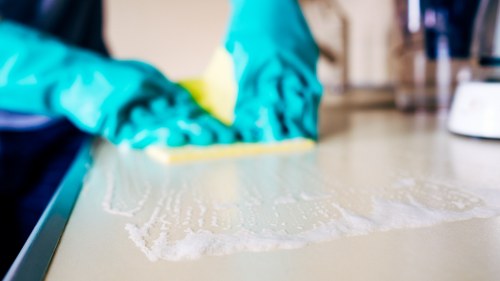
Modern businesses operate in environments where cleanliness influences both perception and performance. Clients and partners often judge a company within seconds of entering a facility, and a spotless environment can communicate organization, trust, and attention to detail. This is especially true in reception areas, conference rooms, retail floors, and customer-facing spaces.
At the same time, commercial cleaning helps reduce the spread of germs and allergens. High-touch surfaces such as door handles, elevator buttons, desks, shared equipment, and restroom fixtures can quickly accumulate bacteria and viruses. Regular commercial cleaning services help lower the risk of illness and create a healthier workplace culture. That health benefit is especially important in offices, schools, clinics, and other busy settings.
There is also a financial side to cleanliness. Dust buildup, neglected floors, and poorly maintained surfaces can lead to premature wear and costly repairs. Investing in routine commercial cleaning can protect assets and lower long-term maintenance expenses. In other words, a clean workplace is often a smarter business decision, not just a nicer one.
Types of Commercial Cleaning Services
Commercial cleaning is a broad category that includes several different service types. Understanding these options helps businesses choose the right solution based on their size, schedule, and industry requirements. Many providers offer customizable plans that can include basic maintenance, specialty cleaning, or both.
- Daily janitorial cleaning for offices, lobbies, restrooms, and common areas
- Floor care including sweeping, mopping, polishing, stripping, and waxing
- Carpet cleaning for stain removal, odor control, and fiber maintenance
- Window and glass cleaning for interior and exterior surfaces
- Disinfection services for high-touch areas and shared spaces
- Deep cleaning for periodic maintenance and hard-to-reach areas
- Specialized cleaning for medical, industrial, retail, and food-service environments
Many companies also request after-hours commercial cleaning to avoid interrupting daily operations. This can be particularly helpful for offices that are busy during the day or retail spaces that need cleaning once customers leave. Flexibility is one of the biggest advantages of professional commercial cleaning.
Office Cleaning and Workplace Hygiene
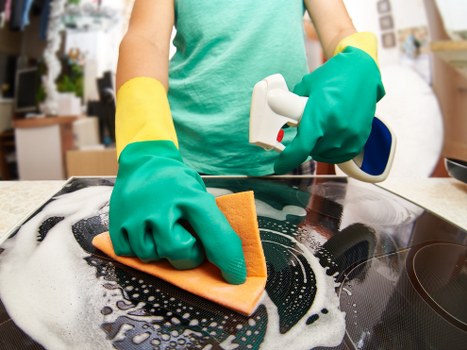
Office cleaning is one of the most common forms of commercial cleaning. Offices contain shared workstations, meeting rooms, break areas, and restrooms that can quickly become untidy without regular maintenance. Dust, crumbs, fingerprints, and clutter can build up fast, especially in open-plan environments where many people share the same surfaces.
A well-planned office cleaning service supports productivity by creating a more pleasant and organized environment. Employees are more likely to feel motivated and focused when their surroundings are clean and orderly. Clean offices also help reduce distractions and make it easier to maintain professional standards during client meetings and presentations.
Workplace hygiene is another important concern. Desks, keyboards, shared phones, countertops, and breakroom appliances are all potential hotspots for bacteria. Regular commercial cleaning helps reduce contamination and supports a healthier work environment. For many businesses, this can translate into fewer absenteeism issues and a more resilient workforce.
Key office cleaning tasks often include:
- Dusting desks, shelves, and surfaces
- Emptying trash and recycling bins
- Sanitizing restrooms and breakrooms
- Vacuuming carpets and cleaning hard floors
- Disinfecting high-touch points
- Cleaning glass partitions and doors
Commercial Cleaning for Retail, Hospitality, and Public Spaces
Retail stores, hotels, restaurants, and other public-facing businesses depend heavily on appearance. In these spaces, commercial cleaning does more than support health and safety; it shapes the customer experience. A well-maintained environment can increase dwell time, improve satisfaction, and encourage repeat visits.
Retail cleaning often focuses on floors, fitting rooms, checkout areas, windows, shelving, and restrooms. These high-traffic zones require frequent attention to ensure the store remains inviting and hygienic throughout the day. In hospitality settings, commercial cleaning may include guest rooms, lobbies, corridors, dining areas, and back-of-house spaces.
Restaurant cleaning is especially important because food preparation areas must meet high sanitation standards. Grease, spills, and waste must be handled carefully to prevent odors, pests, and health code violations. A dependable cleaning routine helps hospitality businesses maintain safe, attractive, and customer-friendly environments.
Examples of retail and hospitality cleaning priorities:
- Keeping entrances and display areas spotless
- Maintaining clean and odor-free restrooms
- Removing fingerprints from glass and mirrors
- Sanitizing tables, counters, and seating areas
- Protecting floors from wear caused by foot traffic
Industrial and Warehouse Commercial Cleaning
Industrial cleaning presents unique challenges because warehouses, factories, and production facilities often deal with dust, debris, grease, equipment residue, and safety hazards. These spaces require specialized commercial cleaning that goes beyond standard office maintenance. Safety is a major factor, as clutter and buildup can contribute to slips, falls, and equipment issues.
In warehouses, cleaning may involve sweeping large floor areas, removing packaging waste, cleaning loading docks, and addressing dust accumulation on surfaces and shelving. In manufacturing environments, commercial cleaning can include degreasing equipment areas, sanitizing break areas, and maintaining compliance with industry regulations. The goal is to support smooth operations without interfering with production schedules.
Industrial facilities benefit from cleaners who understand hazard awareness, proper material handling, and the importance of using appropriate cleaning methods for different surfaces. A strong commercial cleaning plan helps reduce downtime, improve workplace safety, and preserve the condition of machinery, floors, and storage areas.
The Health Benefits of Commercial Cleaning
One of the strongest reasons businesses invest in commercial cleaning is the health benefit. Clean workplaces support both physical and mental well-being. When surfaces are regularly sanitized, dust is controlled, and waste is properly managed, employees and visitors are less likely to be exposed to germs, allergens, and unpleasant odors.
Indoor air quality is another major factor. Dust, mold spores, pollen, and other particles can accumulate in carpets, vents, and furnishings. Professional commercial cleaning helps remove these irritants and contributes to better air quality. For employees with allergies or asthma, this can make a real difference in daily comfort and performance.
Clean facilities also promote good habits. When workplaces are tidy and hygienic, employees are more likely to keep their own spaces organized and follow sanitation expectations. This creates a healthier culture overall and reinforces the idea that cleanliness is everyone’s responsibility, not just the cleaning crew’s.
Health-focused cleaning may include:
- Disinfecting shared surfaces
- Deep cleaning carpets and upholstery
- Removing dust from vents and corners
- Cleaning washrooms and hand-contact areas
- Managing trash and biohazard waste correctly
How Commercial Cleaning Supports Productivity
Clean environments often lead to better productivity because employees can focus on work instead of clutter, odors, or constant distractions. A professionally cleaned workplace reduces the time staff spend dealing with minor messes and creates a more comfortable environment for focused tasks, collaboration, and client interaction.
Commercial cleaning also helps maintain orderly systems. When common areas, storage rooms, and desks are cleaned regularly, businesses can better track supplies, equipment, and documents. This creates smoother workflows and reduces the chance of lost items or avoidable delays. In busy organizations, those time savings can add up quickly.
In addition, clean spaces can improve morale. Employees often feel more respected when their workplace is maintained properly. That sense of care can strengthen company culture and contribute to job satisfaction. Simply put, commercial cleaning supports a workplace where people can do their best work.
What to Expect from a Professional Commercial Cleaning Plan
A strong commercial cleaning plan is usually built around a business’s specific schedule, traffic levels, facility type, and budget. Rather than using a one-size-fits-all approach, reputable cleaning providers assess the property and develop a customized service plan. This may include daily, weekly, biweekly, or monthly tasks depending on the client’s needs.
The best commercial cleaning programs focus on consistency. A business should know what is cleaned, how often it is cleaned, and which areas receive special attention. Clear expectations help avoid confusion and ensure that all high-priority zones are covered. Many service providers also use checklists and quality-control procedures to maintain standards.
When evaluating a commercial cleaning plan, businesses should look for clear communication, flexibility, and attention to detail. A dependable team should understand how to work efficiently, respect the workplace, and adapt as the business changes. Whether the focus is sanitation, appearance, or safety, the cleaning plan should support the client’s operational goals.
Essential Elements of a Commercial Cleaning Plan
To get the best results, a commercial cleaning plan should include the right balance of routine maintenance and periodic deep cleaning. Each facility has different needs, but most effective plans include the following elements:
- Scope of work outlining what areas are cleaned
- Frequency schedule for daily, weekly, or monthly tasks
- Specialized services for floors, carpets, or disinfection
- Quality checks to confirm standards are met
- Safety protocols for chemicals, equipment, and access control
- Flexible adjustments for changing business needs
Businesses benefit most when their commercial cleaning plan is reviewed regularly. Seasonal changes, staffing shifts, customer traffic, and facility upgrades can all influence cleaning requirements. A proactive approach keeps the workplace looking its best year-round.
Choosing the Right Commercial Cleaning Partner
Choosing the right provider for commercial cleaning can make a major difference in service quality and reliability. Businesses should look for a team that understands their industry, communicates clearly, and brings experience with similar facility types. The right partner should feel like an extension of the business, not just a vendor.
Experience and training matter because different facilities require different methods. A provider working in medical, hospitality, retail, or industrial settings should know the standards and expectations that apply to those spaces. Proper training also helps reduce the risk of damage, accidents, and incomplete cleaning.
It is also wise to choose a provider that offers scalable services. As a business grows, its commercial cleaning needs may change. A flexible cleaning partner can adjust service frequency, add specialty tasks, and respond to seasonal or operational demands without disrupting the business.
Questions to consider before hiring:
- Do they offer services tailored to your industry?
- Can they work around your operating hours?
- Do they use modern cleaning methods and equipment?
- Are their cleaning processes consistent and documented?
- Can they adapt as your needs change?
Eco-Friendly Commercial Cleaning Options
More businesses are now seeking eco-friendly commercial cleaning solutions. Green cleaning methods use products and practices designed to reduce environmental impact while still delivering effective results. This can include low-toxicity detergents, microfiber materials, reduced water use, and energy-efficient equipment.
Eco-friendly commercial cleaning is appealing to businesses that want to support sustainability goals while maintaining a healthy indoor environment. It can also be beneficial for employees and visitors who are sensitive to harsh chemicals or strong odors. In many workplaces, greener cleaning choices align well with broader corporate responsibility initiatives.
Choosing sustainable commercial cleaning practices does not mean sacrificing quality. In fact, many modern cleaning solutions are designed to provide strong sanitation performance while minimizing unnecessary exposure to chemicals. The result is a cleaner space and a more responsible approach to facility care.
Commercial Cleaning and First Impressions
First impressions matter in every business setting. When a client, guest, or partner walks into a clean, organized facility, it creates confidence and sets a positive tone for the interaction. On the other hand, dusty surfaces, stained floors, or neglected restrooms can quickly damage trust and make a business seem less professional.
Commercial cleaning helps businesses control the details that people notice immediately. Clean windows, polished floors, odor-free restrooms, and tidy reception areas all contribute to a polished brand image. These visual cues may seem small, but together they have a meaningful impact on how a business is perceived.
For customer-facing businesses, maintaining a spotless environment can also influence spending behavior. People are more likely to browse, stay longer, and return when the space feels fresh and well cared for. That makes commercial cleaning an important part of customer experience strategy, not just maintenance.
Cost Considerations and Long-Term Value
Some businesses hesitate to invest in professional commercial cleaning because they focus only on the short-term cost. However, the long-term value often outweighs the expense. A clean and properly maintained property can reduce repair bills, protect furnishings, and help prevent costly disruptions related to illness, damage, or safety issues.
Commercial cleaning services are often customizable, which means businesses can choose a schedule that fits their budget and priorities. A small office may only need a few weekly services, while a large facility may require daily attention. The key is matching service level to actual need so resources are used effectively.
When evaluated over time, commercial cleaning can be seen as an investment in operational stability. It supports a healthier workplace, a better image, and fewer maintenance problems. That combination often produces a strong return in both tangible and intangible ways.
How to Get the Most from Commercial Cleaning
To maximize results, businesses should view commercial cleaning as part of their overall operations strategy. Clear communication, realistic expectations, and regular reviews all help ensure the service remains effective. A clean facility is the result of both professional support and internal cooperation.
Best practices for getting the most from commercial cleaning include keeping pathways clear, reporting maintenance issues promptly, and establishing cleaning priorities for high-use areas. When staff and cleaning teams work together, the entire process becomes more efficient and productive.
It also helps to schedule periodic deep cleaning in addition to regular maintenance. Routine service keeps the day-to-day environment clean, while deep cleaning addresses buildup that may not be visible at first glance. Together, these two layers of care create a more complete solution.
Practical tips for businesses:
- Define priority spaces clearly
- Track high-traffic problem areas
- Adjust services during busy seasons
- Use feedback from facility managers
- Review the cleaning plan regularly
Final Thoughts on Commercial Cleaning in Today’s Business World
Commercial cleaning is essential for businesses that want to maintain a healthy, welcoming, and professional environment. It supports employee well-being, improves customer impressions, protects assets, and helps organizations operate more efficiently. In a competitive marketplace, these advantages can make a meaningful difference.
Whether you manage an office, retail store, healthcare facility, warehouse, or hospitality venue, investing in commercial cleaning is a practical decision with lasting benefits. From daily upkeep to specialty sanitation, the right cleaning approach can help your business shine in every sense of the word.
If you are ready to improve your workplace standards, contact us today and explore a cleaning solution tailored to your needs. Book your service now and take the next step toward a cleaner, safer, and more productive business environment.