House Cleaning: Creating a Cleaner, Healthier, and More Comfortable Home
House cleaning is more than a routine chore; it is one of the most effective ways to protect your comfort, improve indoor air quality, and maintain a welcoming home environment. Whether you live in a small apartment, a family house, or a busy shared space, consistent house cleaning helps reduce stress, limit allergens, and keep surfaces, floors, and rooms in better condition for longer. A well-planned house cleaning approach also makes daily life feel more organized and less overwhelming.
Many people think of house cleaning as something that only matters when a space looks messy, but the real value goes far beyond appearance. A clean home supports healthier habits, easier maintenance, and greater peace of mind. When house cleaning becomes part of a regular routine, chores feel more manageable, clutter is easier to control, and every room becomes more enjoyable to use. For households with children, pets, or frequent visitors, this matters even more.
In this article, we will explore practical house cleaning strategies, the most important rooms to prioritize, time-saving routines, and the benefits of keeping a home consistently clean. You will also find useful tips for deep cleaning, seasonal upkeep, and professional support when needed. If you want a home that feels fresher and functions better, house cleaning is a smart place to start.
Why House Cleaning Matters for Every Home
House cleaning plays a major role in both the look and the health of a living space. Dust, pet dander, crumbs, grease, and moisture can quickly build up in everyday areas, creating conditions that may affect comfort and cleanliness. Regular house cleaning helps remove these unwanted materials before they become harder to manage, which is especially important in kitchens, bathrooms, and high-traffic rooms.
Another reason house cleaning matters is that it supports a calmer mindset. A tidy home often feels less chaotic, and that can make a meaningful difference in daily routines. When counters are clear, floors are clean, and clutter is reduced, it becomes easier to focus on work, family time, or rest. House cleaning is not just about appearance; it is about creating a home that feels functional and inviting.
Clean environments also help preserve furniture, flooring, and appliances. Dirt and buildup can wear down materials over time, leading to avoidable damage and costly repairs. By keeping up with regular house cleaning, homeowners and renters can extend the life of many household surfaces while maintaining a more polished look throughout the home.
Building an Effective House Cleaning Routine
The most successful house cleaning routines are simple, realistic, and easy to repeat. Instead of trying to clean every area at once, it is often better to divide tasks into daily, weekly, and monthly categories. This creates structure without making the process feel too demanding. A steady routine also helps prevent messes from piling up.
A practical house cleaning plan usually starts with the most frequently used spaces. Kitchens, bathrooms, living rooms, and entryways tend to need attention more often because they collect dirt faster. Bedrooms and storage areas may need less frequent cleaning, but they still benefit from regular dusting, vacuuming, and organization. The goal is to make house cleaning part of normal home care rather than an occasional emergency task.
It helps to choose a cleaning schedule that fits your household lifestyle. For example, busy families may prefer short daily resets, while smaller households might choose longer weekly sessions. The best house cleaning routine is one that is sustainable. Consistency matters more than intensity, and even a simple routine can deliver strong results when followed regularly.
Daily House Cleaning Tasks That Make a Big Difference
Daily cleaning tasks are designed to prevent mess from spreading and becoming more difficult later. These small habits often take only a few minutes, but they can dramatically improve the overall condition of a home. In many cases, daily house cleaning makes weekly deep cleaning much easier.
Common daily house cleaning tasks include wiping kitchen counters, washing a few dishes, sweeping visible crumbs, making beds, and putting items back in their proper places. Bathrooms may need quick sink wipes or mirror touch-ups, especially in busy households. These quick actions help keep surfaces fresh and reduce the feeling of clutter.
For homes with pets or children, daily house cleaning becomes even more helpful. Pet hair, tracked-in dirt, snack crumbs, and spills can build up quickly. A few focused minutes each day can prevent those small messes from turning into bigger cleaning projects. In this way, house cleaning becomes a manageable habit instead of a stressful obligation.
Weekly House Cleaning Priorities for a Fresher Home
Weekly house cleaning usually covers the tasks that keep a home looking polished and feeling sanitary. These jobs tend to be more time-consuming than daily upkeep, but they are essential for maintaining a healthy environment. A weekly routine may include vacuuming carpets, mopping hard floors, dusting furniture, cleaning bathroom fixtures, and changing bed linens.
One of the most important weekly house cleaning tasks is removing dust from surfaces that are often overlooked. Shelves, baseboards, ceiling fans, window sills, and electronics can all collect dust over time. If left alone, this buildup can make rooms look dull and may contribute to poor indoor air quality. Regular dusting supports both cleanliness and comfort.
Kitchen and bathroom cleaning deserve special attention each week because these spaces are heavily used and can harbor moisture, grease, or bacteria. Scrubbing sinks, disinfecting counters, and cleaning shower walls can help maintain a fresher home. Weekly house cleaning is also a good time to check for expired food, empty trash bins, and inspect problem areas before they become bigger issues.
Helpful weekly checklist
- Vacuum carpets and rugs
- Mop hard floors
- Dust furniture and décor
- Clean bathroom sinks, tubs, and toilets
- Wipe kitchen appliances and counters
- Change bedding and empty trash
Deep House Cleaning for Long-Term Home Care
Deep house cleaning goes beyond standard weekly maintenance and focuses on areas that are often overlooked. This type of cleaning is usually done monthly, seasonally, or whenever a home needs a more thorough refresh. It may involve washing baseboards, cleaning behind furniture, scrubbing grout, organizing closets, and sanitizing high-touch areas.
Deep house cleaning is especially valuable when preparing for guests, transitioning between seasons, or after periods of heavy household use. It can also help you notice small maintenance concerns early, such as leaks, mold spots, damaged caulking, or worn surfaces. By addressing these issues quickly, you can protect both your home and your budget.
Some people choose to break deep cleaning into sections to make the process easier. For example, one weekend may focus on the kitchen, another on bathrooms, and another on bedrooms or storage spaces. This approach keeps house cleaning from feeling too large and makes the work more realistic for busy schedules. Breaking big tasks into smaller steps is often the best way to stay consistent.
Examples of deep-cleaning tasks
- Cleaning behind and under furniture
- Washing windows and window tracks
- Scrubbing tile grout and shower corners
- Cleaning vents and light fixtures
- Organizing closets, drawers, and cabinets
- Sanitizing door handles and switches
Room-by-Room House Cleaning Tips
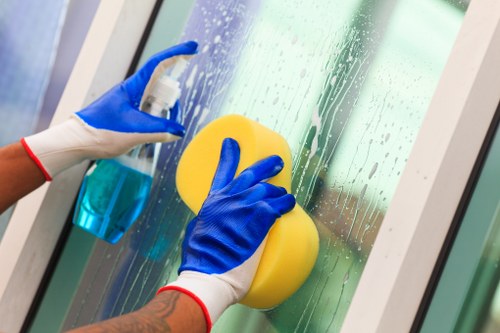
A room-by-room approach makes house cleaning easier to organize and more effective to complete. Each room has different cleaning needs depending on how it is used. By understanding those needs, you can focus your time where it matters most and avoid missing important details.
In the kitchen, house cleaning should prioritize food safety and surface sanitation. Countertops, sinks, stove tops, appliance handles, and floors all require attention. In bathrooms, the focus shifts to moisture control and disinfection. Toilets, tubs, mirrors, faucets, and tile should be cleaned regularly to keep the room hygienic and fresh.
Living rooms and bedrooms benefit from dust control, vacuuming, and decluttering. These spaces may not get as dirty as kitchens or bathrooms, but they still collect dust and daily debris. Entryways, meanwhile, should stay tidy to reduce the amount of dirt tracked through the rest of the house. A room-by-room strategy makes house cleaning more efficient and helps ensure no area is forgotten.
Kitchen cleaning priorities
- Wipe counters after cooking
- Clean appliance fronts and handles
- Sweep and mop floors regularly
- Empty trash and recycling bins
- Disinfect sinks and food prep areas
Bathroom cleaning priorities
- Clean toilets, sinks, and tubs
- Remove soap scum and water spots
- Replace towels frequently
- Disinfect high-touch surfaces
- Improve ventilation to reduce moisture
Smart House Cleaning Techniques That Save Time
Efficient house cleaning does not have to feel rushed or complicated. The right techniques can save time while still producing excellent results. One effective method is cleaning from top to bottom so that dust and debris fall to lower surfaces before the floors are cleaned. Another practical strategy is working from one side of the room to the other to avoid repeating steps.
Using the right tools also makes a difference. Microfiber cloths, extendable dusters, vacuum attachments, mop systems, and multipurpose cleaners can all reduce effort. When the tools match the task, house cleaning becomes smoother and more effective. Choosing quality supplies may also reduce frustration and improve results across different surfaces.
It is also helpful to clean as you go. This means wiping spills immediately, putting items away after use, and spending a few minutes resetting a space before moving on. Clean-as-you-go habits are especially useful in kitchens and busy family homes because they stop mess from spreading and reduce later cleanup time.
House Cleaning and Indoor Air Quality
One of the less visible benefits of house cleaning is its impact on indoor air quality. Dust, pet dander, pollen, and other particles can settle on surfaces or become airborne during everyday activities. Regular vacuuming, dusting, and washing of fabrics can reduce these particles and make the air inside the home feel fresher.
Ventilation matters as well. Opening windows when weather allows, using exhaust fans in bathrooms and kitchens, and maintaining air filters can support a cleaner indoor environment. House cleaning works best when paired with airflow and moisture control, especially in rooms where condensation or odors may build up. This combination can help create a healthier and more comfortable space overall.
Homes with allergy-sensitive residents may benefit from extra attention to carpets, curtains, bedding, and upholstered furniture. These materials can trap dust and allergens if not cleaned regularly. A thoughtful house cleaning routine can make a noticeable difference in how the home feels day to day, particularly during seasonal changes.
Air-quality-friendly cleaning habits
- Vacuum with a filter designed to capture fine particles
- Wash bedding and pillow covers often
- Dust with microfiber instead of dry cloths
- Reduce clutter that collects dust
- Keep humidity levels under control
House Cleaning for Busy Lifestyles
Modern schedules can make house cleaning feel difficult to maintain, especially for working professionals, parents, and households with multiple responsibilities. The good news is that a clean home is possible even with limited time. The key is to use a realistic plan that matches your routine instead of chasing perfection.
Short cleaning sessions can be very effective when they are focused. Ten minutes in the morning or evening may be enough to reset a kitchen, straighten a living room, or clear a bathroom sink. You can also divide house cleaning tasks among household members so that no single person carries the full burden. Shared responsibility often leads to better results and less frustration.
Many people find that setting small goals helps build momentum. For example, clean one room before taking a break or complete three tasks before dinner. These approachable goals make house cleaning feel achievable. Over time, these habits can create a cleaner home without requiring long hours of work.
Seasonal House Cleaning and Home Maintenance
Seasonal changes are a natural time to refresh the home and update cleaning priorities. Spring cleaning often focuses on dust removal, window washing, and decluttering, while fall cleaning may prepare the home for more indoor living. Summer can bring more traffic, open windows, and outdoor mess, while winter may require extra attention to floors, entryways, and moisture control.
Seasonal house cleaning is also a smart opportunity to assess home maintenance needs. Checking vents, filters, storage areas, and appliances can help you stay ahead of wear and tear. This is especially helpful in homes that experience heavy use or frequent temperature changes. When house cleaning is paired with maintenance, the home stays in better condition overall.
It can help to create a seasonal checklist that targets the areas most likely to be overlooked during routine cleaning. This keeps big tasks from building up and gives your home a more complete refresh. Seasonal house cleaning is not about doing everything at once; it is about giving special attention to areas that need it most.
When to Consider Professional House Cleaning
Sometimes house cleaning needs go beyond what fits into a regular personal routine. Busy schedules, large homes, post-event cleanup, moving, or special circumstances can make professional support a practical choice. Hiring experienced cleaners can help with deep cleaning, recurring maintenance, or one-time projects that require extra time and effort.
Professional house cleaning can be especially useful when you want a higher level of detail or when certain areas have been neglected for a while. It may also be a good fit for older adults, families managing demanding work schedules, or anyone recovering from illness or life changes. In these cases, outside help can reduce stress and restore comfort more quickly.
Choosing professional support does not replace the value of routine care. Instead, it can complement your own efforts and keep your home in a better condition between visits. If you are trying to improve your living environment without adding pressure to your schedule, book your service now and enjoy a cleaner, easier home experience.
Common House Cleaning Mistakes to Avoid
Even with good intentions, a few common mistakes can make house cleaning less effective. One mistake is using the wrong product on the wrong surface, which may cause streaks, damage, or residue buildup. Another is skipping regular maintenance and then trying to do too much at once. This often leads to burnout and inconsistent results.
Many people also forget to clean tools themselves. Dirty mops, vacuum filters, and cloths can spread grime instead of removing it. Keeping equipment in good condition is an important part of effective house cleaning. Likewise, cleaning in a random order can waste time, so having a system helps improve efficiency and reduces missed spots.
Another mistake is focusing only on visible areas. Hidden spaces behind furniture, under sinks, and inside storage areas matter too. These spots may not be seen every day, but they still influence the overall cleanliness of the home. Paying attention to both visible and overlooked areas leads to better long-term results.
Simple mistakes to avoid
- Using too much cleaning product
- Ignoring high-touch areas
- Waiting too long between cleanings
- Mixing products unsafely
- Forgetting to clean tools and supplies
Making House Cleaning Easier for the Whole Family
House cleaning becomes more manageable when everyone contributes. In family homes, even young children can help with age-appropriate tasks such as putting toys away, wiping small surfaces, or carrying laundry baskets. Teenagers and adults can take on more advanced responsibilities like vacuuming, bathroom cleaning, and trash removal.
Assigning duties clearly helps prevent confusion and reduces resentment. A family cleaning chart or weekly checklist can make expectations easier to follow. This kind of structure encourages accountability and makes house cleaning feel like a shared effort rather than a personal burden. It also teaches useful life skills that can last well beyond childhood.
In addition to assigned chores, encouraging small daily habits can keep the home in better shape between larger cleaning sessions. Putting items back after use, cleaning up spills promptly, and respecting shared spaces all contribute to a smoother household. When everyone participates, house cleaning becomes more efficient and less stressful.
Long-Term Benefits of Regular House Cleaning
Regular house cleaning offers benefits that build over time. A consistently clean home often feels more relaxing, functions more smoothly, and supports better hygiene. It also reduces the effort required for larger cleanups later. Instead of facing a major mess, you are simply maintaining a space that is already in good condition.
There are also financial benefits. Well-maintained flooring, appliances, and furnishings tend to last longer, which can reduce the need for frequent replacements. House cleaning can even help prevent certain problems from escalating, such as mold buildup, pest attraction, or staining. These savings may not always be visible right away, but they matter over the long term.
Perhaps most importantly, a clean home can improve how you feel in your own space. People often sleep better, relax more easily, and enjoy daily routines when their surroundings are tidy. That is why house cleaning should be viewed as an investment in both the home and the people who live there. If you are ready to enjoy these benefits, contact us today and take the next step toward a cleaner home.
Final Thoughts on House Cleaning
House cleaning is one of the simplest ways to maintain a healthier, more comfortable, and more organized home. From quick daily habits to deeper seasonal tasks, every bit of effort contributes to a better living environment. The best approach is the one you can maintain consistently, whether you handle the work yourself or use professional help for support.
By focusing on routines, using smart techniques, and paying attention to the needs of each room, house cleaning becomes much more manageable. It is not about perfection. It is about creating a home that feels clean, welcoming, and ready for everyday life. With the right plan, house cleaning can fit smoothly into your schedule and deliver lasting benefits for your household.
Start with a few small changes, build steady habits, and enjoy the difference a cleaner home can make. For those ready to simplify the process and restore order faster, book your service now and move toward a fresher, more comfortable space.