Communal Area Cleaning: Creating Healthier, Safer, and More Welcoming Shared Spaces
Why Communal Area Cleaning Matters for Every Property
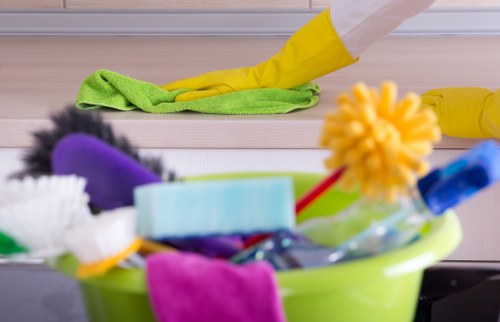
Communal area cleaning plays a much bigger role in everyday life than many people realize. Shared spaces such as lobbies, hallways, stairwells, lifts, corridors, reception areas, and shared kitchens are the first places residents, visitors, staff, and customers see. When these areas are kept clean, the entire property feels more professional, more comfortable, and more cared for.
For residential buildings, offices, apartment blocks, and mixed-use properties, communal area cleaning supports hygiene, safety, and presentation at the same time. Dust, grime, spills, fingerprints, and litter can accumulate quickly in busy shared spaces. Regular cleaning reduces the spread of germs, prevents unpleasant odors, and helps maintain a polished environment.
There is also a practical side to this service. Well-maintained communal areas can reduce slip hazards, improve air quality, and extend the life of flooring, fixtures, and fittings. That is why many property managers, landlords, housing associations, and businesses treat communal area cleaning as an essential routine rather than an occasional task.
What Is Communal Area Cleaning?
Communal area cleaning refers to the cleaning and upkeep of spaces that are shared by multiple people. These areas are often used throughout the day, which means they gather dirt faster than private rooms. Cleaning them requires consistency, attention to detail, and a structured approach.
Typical shared spaces include:
- Entrances and reception areas
- Hallways and corridors
- Staircases and landings
- Lifts and lift lobbies
- Shared kitchens and break rooms
- Shared bathrooms and washrooms
- Bin stores and waste areas
- Outdoor communal walkways and seating areas
These spaces are often the common thread linking residents or occupants. Because everyone uses them, everyone notices when they are clean. That is why communal area cleaning has a direct impact on satisfaction, comfort, and the overall impression of a property.
Key Benefits of Regular Communal Area Cleaning
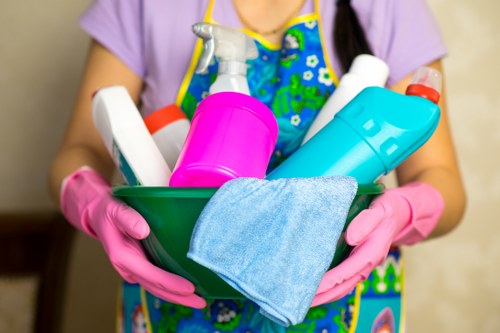
One of the biggest advantages of communal area cleaning is the boost it gives to hygiene. High-touch surfaces such as door handles, handrails, switches, elevator buttons, and entry systems can harbor bacteria and viruses if not cleaned often. Routine disinfection helps reduce the risk of illness spreading among occupants and visitors.
Another major benefit is safety. Spilled drinks, muddy footprints, litter, and clutter can create accidents in busy shared areas. Proper cleaning helps maintain clear walkways and reduces slip, trip, and fall risks. This is especially important in stairwells, lobbies, and corridors where people move quickly or carry items.
Appearance also matters. A tidy, fresh, well-kept communal environment creates a positive first impression. It can make a building feel more secure, more valuable, and more respected by those who live or work there. In many cases, regular communal area cleaning also contributes to tenant retention and improved occupant satisfaction.
Areas Commonly Included in Communal Area Cleaning
Every property is different, but most communal area cleaning services focus on a core set of shared locations. These spaces usually need both routine cleaning and periodic deep cleaning to stay in top condition.
Common cleaning tasks may include:
- Vacuuming carpets and entrance mats
- Mopping hard floors
- Dusting ledges, skirting boards, and surfaces
- Wiping doors, frames, and glass panels
- Cleaning handrails and bannisters
- Emptying bins and replacing liners
- Sanitizing shared touchpoints
- Removing cobwebs and debris
In some properties, communal area cleaning may also involve polishing metal fittings, cleaning light switches, caring for upholstery, or maintaining outdoor entry points. A flexible cleaning plan ensures the right tasks are completed for each environment.
How Communal Area Cleaning Supports Health and Hygiene
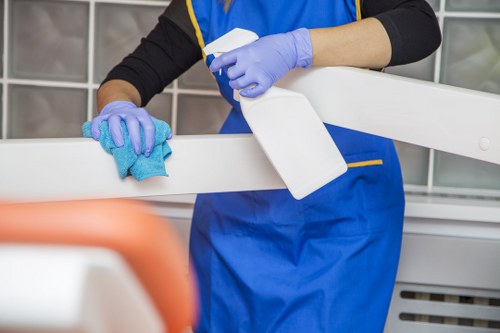
Shared spaces are naturally high-traffic zones, and that makes them ideal places for germs and contaminants to spread. Communal area cleaning helps interrupt this cycle by removing dirt, dust, and harmful microorganisms before they build up. This is especially important during cold and flu seasons, or in buildings with children, older adults, or immunocompromised occupants.
Cleaning shared areas is not just about visible dirt. Many of the most important hygiene concerns involve surfaces that people touch constantly. Regular disinfecting of these areas lowers the likelihood of cross-contamination. In busy properties, the benefit is immediate: fewer complaints about odors, fewer signs of neglect, and a more pleasant everyday experience for everyone.
Good hygiene standards also support better indoor air quality. Dust and debris can circulate through hallways and common rooms, particularly in buildings with carpets or limited ventilation. Routine cleaning helps control allergens and keeps the environment feeling fresher. For many building managers, this makes communal area cleaning a core part of their health and safety strategy.
Choosing the Right Communal Area Cleaning Schedule
The ideal cleaning schedule depends on how often the space is used and how quickly it gets dirty. A small residential block may only need daily attention in the entrance and weekly cleaning in stairwells, while a busy office building may require multiple visits per day. The goal is to match the cleaning frequency to the level of foot traffic.
When planning communal area cleaning, consider these factors:
- Number of occupants or visitors
- Seasonal weather and dirt levels
- Type of flooring and surfaces
- Presence of children, pets, or food waste
- Accessibility of the space
- Hours of peak usage
A tailored schedule is usually better than a one-size-fits-all approach. It keeps costs efficient while ensuring the building never looks neglected. In many cases, a combination of daily maintenance, weekly detailed cleaning, and monthly deep cleaning works best.
Professional Communal Area Cleaning vs. In-House Cleaning
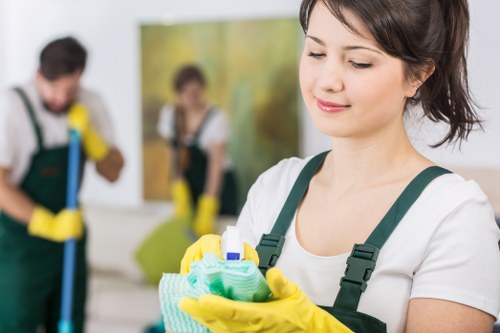
Some properties rely on in-house staff for maintenance, while others outsource communal area cleaning to a professional company. Both options can work well, but the best choice depends on budget, building size, and the level of consistency required.
In-house cleaning can be useful for small properties or sites with simple requirements. However, professional cleaners often bring stronger systems, specialized equipment, and more reliable coverage. They can also handle more demanding tasks such as deep floor care, waste management, and periodic sanitization.
Professional communal area cleaning services usually provide better accountability and more consistent standards. Cleaners follow a checklist, use proper products, and know how to work safely around residents, tenants, and visitors. For busy properties where presentation is important, professional support often delivers better long-term value.
What a High-Quality Communal Area Cleaning Service Should Include
A reliable service should do more than simply “tidy up.” Effective communal area cleaning is structured, visible, and consistent. It should leave no doubt that the shared environment is being properly maintained.
Look for services that include:
- Detailed cleaning checklists
- Trained and insured cleaners
- Eco-friendly product options
- Flexible cleaning times
- Regular quality checks
- Clear reporting or maintenance notes
It is also useful if the service can adjust to the needs of the building. For example, a property with many residents may need more frequent bin emptying and touchpoint cleaning, while a commercial building may need focus on reception presentation and washroom hygiene. The best cleaning service adapts without compromising standards.
Common Challenges in Communal Area Cleaning
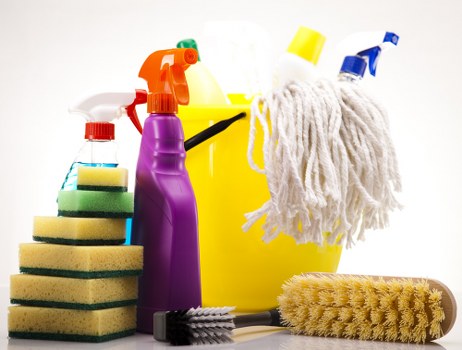
Shared spaces are easy to underestimate because small issues can grow quickly. One of the biggest challenges in communal area cleaning is unpredictable usage. A corridor that looks fine in the morning may be dirty by lunchtime if foot traffic is heavy or the weather is poor. Mud, rainwater, litter, and spills can all create extra work.
Another challenge is maintaining consistency. If cleaning schedules are irregular, residents or occupants may feel that standards are slipping. Over time, this can lead to complaints, damage to the building’s reputation, and more expensive corrective work. Regular oversight is essential for keeping shared areas in good condition.
There can also be environmental challenges such as poor lighting, narrow stairwells, awkward corners, or high windows. These spaces require careful cleaning methods and the right tools. Good planning helps cleaners work efficiently while ensuring every part of the property receives the attention it needs.
Best Practices for Effective Communal Area Cleaning
Consistency is the foundation of successful communal area cleaning. A strong routine keeps a building looking presentable and prevents dirt from becoming embedded in carpets, grout, and surfaces. The most effective cleaning plans usually combine daily maintenance with periodic deeper work.
Best practices include:
- Creating a written cleaning schedule
- Assigning tasks by area and priority
- Using color-coded equipment to prevent cross-contamination
- Checking high-touch points frequently
- Recording maintenance issues as soon as they are noticed
- Using suitable products for each floor type and surface
It also helps to keep a close eye on entry points. Doors, mats, and surrounding floors often collect the most dirt. Addressing these areas early makes the entire building easier to maintain. A proactive approach to communal area cleaning saves time and reduces long-term wear.
Communal Area Cleaning for Residential Buildings
In residential settings, communal area cleaning has a direct influence on how people feel about their home. Clean halls, stairs, and entryways create a welcoming atmosphere and help residents feel proud of where they live. This matters in apartment blocks, housing estates, student accommodation, and multi-occupancy buildings.
Residents often expect the shared parts of the building to be clean, safe, and odor-free. Regular cleaning of mail areas, elevators, floors, and bin zones helps meet those expectations. It can also reduce disputes between neighbors by keeping spaces orderly and reducing signs of neglect.
For landlords and property managers, a clean communal environment can be a smart investment. It supports resident satisfaction, protects building assets, and reduces the likelihood of complaints. When communal area cleaning is handled properly, the whole property feels better managed.
Communal Area Cleaning for Offices and Commercial Spaces
In office and commercial settings, presentation and hygiene are closely linked. A tidy reception, spotless corridor, and clean meeting area can influence how clients, staff, and partners perceive the business. Communal area cleaning helps create that professional image while also supporting staff wellbeing.
Shared workspaces require regular attention because employees and visitors use them throughout the day. Kitchens, break rooms, washrooms, lift lobbies, and waiting areas often need more frequent cleaning than private offices. Food crumbs, spills, paper waste, and fingerprints can build up fast in these areas.
When commercial communal areas are cleaned properly, the workplace feels more organized and productive. Staff are more likely to use shared spaces respectfully, and visitors gain a strong first impression. In competitive environments, that matters more than many businesses realize.
Eco-Friendly Approaches to Communal Area Cleaning
Modern communal area cleaning can be effective and environmentally responsible at the same time. Many property owners now prefer cleaning methods that reduce harsh chemicals, limit waste, and use products that are safer for people and the environment.
Eco-friendly cleaning may involve:
- Biodegradable cleaning products
- Microfiber cloths and reusable tools
- Low-water cleaning methods
- Efficient waste sorting
- Reduced use of single-use plastics
These choices do not only help the planet. They can also improve indoor comfort by minimizing strong odors and chemical residues. For buildings with children, sensitive occupants, or frequent visitors, greener cleaning methods can be a practical and attractive option.
Why Clean Communal Spaces Increase Property Value
Well-maintained shared areas can influence both real and perceived property value. When people walk into a building and see polished floors, fresh-smelling corridors, and tidy entryways, they assume the property is cared for. That impression can improve leasing interest, buyer confidence, and tenant loyalty.
Communal area cleaning helps protect surfaces from long-term damage too. Dirt and grime can wear down flooring, stain carpets, and dull painted surfaces. Regular care slows this deterioration, which reduces repair costs and helps the property stay attractive for longer.
Even small details matter. Clean glass doors, dust-free corners, and properly emptied bins all contribute to a sense of quality. In real estate and property management, presentation is never just cosmetic; it reflects the condition and upkeep of the whole site.
How to Maintain Standards Between Cleaning Visits
Even with a professional service, shared spaces need everyday cooperation to stay clean. Communal area cleaning works best when residents, staff, and visitors all play a part in preserving order. Small habits can make a major difference between visits.
Useful habits include:
- Reporting spills or damage quickly
- Keeping personal items out of walkways
- Using bins correctly
- Wiping up accidental messes right away
- Respecting shared facilities
These simple actions support the cleaning schedule and reduce unnecessary buildup. When everyone understands that the space is shared, it becomes easier to keep it clean and pleasant. Good maintenance is a team effort, and the results are visible every day.
Communal Area Cleaning and Seasonal Changes
Weather can have a big impact on communal area cleaning. In winter, mud, rainwater, salt, and slush are frequently carried indoors. In spring and summer, dust, pollen, and increased foot traffic may become the main issues. A good cleaning plan should adapt to these seasonal shifts.
During wet months, entrance mats, floor care, and moisture removal become especially important. In warmer months, more frequent dusting, ventilation, and waste management may be needed. Seasonal planning helps prevent problems before they become visible.
By adjusting cleaning routines throughout the year, property managers can keep shared spaces looking good in all conditions. This flexibility helps avoid sudden deterioration and makes the building feel consistently cared for, whatever the weather brings.
Choosing a Service Provider for Communal Area Cleaning
Selecting the right provider is one of the most important decisions for any building. A dependable communal area cleaning service should be responsive, thorough, and transparent about what it offers. Experience with similar properties is a major plus.
When evaluating options, consider:
- Whether the team is trained and insured
- How often quality checks are performed
- Whether schedules can be customized
- What cleaning products and equipment are used
- How issues are reported and resolved
- Whether the company understands your type of property
The best provider is not always the cheapest. Reliability, consistency, and attention to detail often save more money over time by reducing complaints, damage, and rework. If your building depends on strong first impressions, choose a service that takes the role seriously.
The Long-Term Value of Professional Communal Area Cleaning
Over time, regular communal area cleaning pays off in multiple ways. It keeps spaces safe, supports hygiene, improves appearance, and protects building materials from avoidable damage. These benefits add up, especially in busy properties where shared areas are used constantly.
Clean communal spaces also contribute to a calmer atmosphere. People are more comfortable in a building that feels organized and well cared for. Whether the property is residential, corporate, or mixed-use, the quality of the shared environment affects how occupants feel about the entire place.
If you want a building that makes a strong impression and remains pleasant to use, investing in regular communal area cleaning is a smart decision. Contact us today to discuss your needs, or book your service now to keep shared spaces spotless, welcoming, and ready for daily use.