Paddington Airbnb Cleaning: DIY vs Pro Service Comparison
If you host in Paddington, you already know the rhythm: a guest checks out, the next one wants an early arrival, and the property has to look spotless in between. That is where Paddington Airbnb cleaning: DIY vs pro service comparison becomes more than a nice idea-it becomes a practical decision about time, standards, stress, and review quality. Do you clean it yourself and keep costs down, or bring in a professional service and reduce the risk of missed details? In real life, the answer depends on your property, your turnover, and how much pressure you want off your shoulders.
In this guide, we break down both options clearly. You will see where DIY makes sense, where a pro service is the safer bet, what hosts often overlook, and how to choose the right approach for your place in Paddington without overcomplicating it. Simple enough. But the details matter.
Why Paddington Airbnb cleaning: DIY vs pro service comparison Matters
Airbnb cleaning is not the same as a general tidy-up. Guests notice the bathroom grout, the bin smell, the tea stain on the worktop, the tiny crumbs inside the toaster drawer. Hosts notice too, usually at the worst moment-about ten minutes before the next guest message arrives asking if they can drop bags off early. In Paddington, where turnover can be brisk and expectations are high, cleaning is part of the guest experience, not just maintenance.
The DIY versus professional choice matters because the wrong call can affect reviews, rebooking, and your own sanity. A DIY clean can be perfectly fine for a small, low-turnover place if you have time, systems, and decent equipment. A pro service, by contrast, is built for consistency and speed. That can be the difference between "looks okay" and "feels hotel-clean."
There is also the practical side. Hosts often underestimate how long a proper clean takes once laundry, bathroom descaling, bin changes, restocking, and checks are included. What looks like an hour job quickly becomes a half-day block. And if the property needs more than a light clean-say the oven's a bit smoky or the carpets have picked up traffic from London shoes-DIY may stop being economical very quickly.
Key takeaway: DIY is best when the property is simple, the turnover is manageable, and you can personally maintain standards. A professional service is usually better when reliability, speed, and guest-ready finish matter more than saving a few pounds upfront.
How Paddington Airbnb cleaning: DIY vs pro service comparison Works
The comparison is easiest when you break it into outcomes, not just tasks. Both DIY and professional cleaning aim to deliver the same result: a fresh, guest-ready property. The difference is in how that result is achieved.
DIY Airbnb cleaning
With DIY, you or a team member handle the entire turnover. That usually means stripping beds, laundering linen, wiping surfaces, cleaning bathrooms and kitchen areas, vacuuming, mopping, checking supplies, and doing a final walk-through. If anything is damaged, missing, or left behind, you spot it as you go. That can be helpful. It can also be exhausting.
DIY works best when you already live nearby, know the flat well, and can return quickly if something is missed. It gives you direct control. You know exactly which mop was used on the floor and whether the sofa cushion was fluffed. Still, control cuts both ways-you also own every delay, every forgotten tissue under the bed, every awkward stain that refuses to budge.
Professional Airbnb cleaning
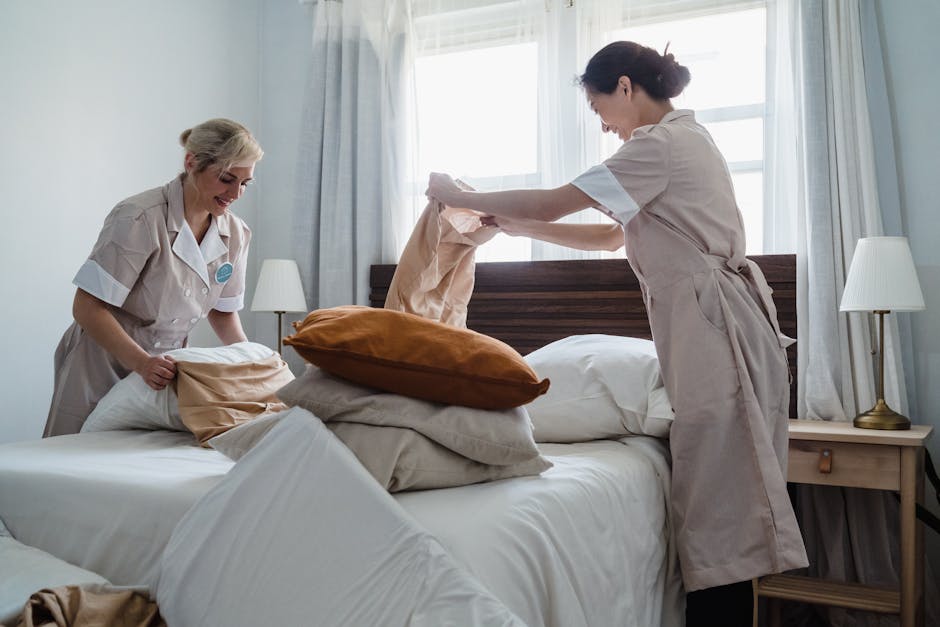
A pro service is designed to handle repeat turnovers with a consistent checklist. A proper Airbnb clean usually includes all the usual guest-facing areas, plus finishing details that make the place feel ready rather than simply clean. Many hosts also pair it with specialist add-ons where needed, such as deep cleaning for neglected areas, oven cleaning for kitchen build-up, or window cleaning when natural light matters for photos and guest first impressions.
Professional cleaners work from a process. That usually means an arrival check, room-by-room cleaning, spot inspections, and a final reset. For hosts, the biggest advantage is predictability. If the property is booked back-to-back, that predictability is gold.
What both approaches should cover
- Kitchen surfaces, appliances, sink, and handles
- Bathroom sanitising, mirrors, taps, and bins
- Bedroom changeover, linen, and visible dust removal
- Floors vacuumed and mopped where appropriate
- High-touch areas such as switches and remotes
- Replenishment of essentials where you provide them
- A final safety and presentation check
That final check is where many DIY cleans slip. It is rarely the washing-up, to be fair. It is the tiny things: a dead bulb, an empty loo roll, a damp towel left in a laundry basket, a smeared mirror that catches the morning light. Guests notice those instantly.
Key Benefits and Practical Advantages
The real question is not "Which option is better in theory?" It is "Which option protects my booking performance and workload best?" That depends on the benefits you care about most.
Benefits of DIY cleaning
- Lower direct cost: You avoid service fees and can spread out supply purchases.
- Complete control: You decide exactly what gets cleaned and how.
- Flexible timing: If you live nearby, you can handle last-minute changes quickly.
- Personal oversight: You see damage, missing items, and guest wear immediately.
DIY can be especially appealing for a single-property host or someone who lets the flat occasionally rather than continuously. If you are already at the property, it can be efficient. But the time cost is real, and it often arrives in awkward chunks. Friday night laundry, Sunday morning vacuuming, a midday dash to replace toiletries-it all adds up.
Benefits of pro service
- Consistency: A professional service follows a repeatable standard.
- Time savings: You get hours back during every turnover.
- Better presentation: The property is more likely to feel guest-ready, not merely tidy.
- Reduced stress: Back-to-back bookings become more manageable.
- Specialist support: You can add services for carpets, upholstery, mattresses, or windows when needed.
For many Paddington hosts, the biggest benefit is actually headspace. When the cleaner handles the turnover properly, you are free to focus on messaging guests, adjusting pricing, or simply getting on with your day. That sounds small, but in hospitality small is never small.
Business-like benefits that matter for reviews
A guest does not usually comment on "cleaning methodology." They comment on whether the place felt fresh, whether the bathroom looked cared for, and whether the bed linen felt crisp. A solid cleaning standard supports better reviews because it reduces friction. Fewer complaints. Fewer awkward refunds. Fewer late-night apologies. You know the type.
If you want a broader service picture beyond Airbnb turnovers, it can also help to look at related options such as house cleaning, one-off cleaning, or domestic cleaning. They are not the same thing, but they do show how flexible a professional approach can be when your property needs more than a basic tidy.
Who This Is For and When It Makes Sense
Not every host needs the same solution. Some can absolutely manage a DIY routine without problems. Others would be better off outsourcing from day one. The trick is being honest about your setup.
DIY makes sense if:
- You have one small property with predictable bookings
- You live close by and can get there fast
- You are comfortable maintaining a detailed checklist
- You have reliable laundry arrangements
- You do not mind the physical work between guest stays
A pro service makes more sense if:
- You have frequent turnovers or same-day check-ins
- You manage more than one short-let property
- Your property has premium presentation standards
- You want less personal involvement in each turnover
- You have had complaints about missed cleaning details before
There is also the in-between group: hosts who start with DIY, then move to pro service once bookings pick up. That is common. A lot of people begin with "I can do it myself" and then, a few months later, realise they are doing a second job every week. Happens all the time.
If the property also has shared access points, hallways, or entry areas that get a lot of footfall, then a service with experience in communal area cleaning can be useful for keeping the wider impression neat and cared for.
Step-by-Step Guidance
Here is a practical way to decide, and then execute, whichever route you choose.
Step 1: Map your turnover pattern
Write down how often you host, how long gaps usually are between bookings, and whether check-ins overlap with working hours. If you are constantly racing the clock, DIY may be draining more time than it saves.
Step 2: List every task in a normal changeover
Do not just write "clean apartment." Break it into rooms and detail the tasks. Include laundry, restocking, waste removal, and the final inspection. Once you see the full list, the time commitment becomes clearer.
Step 3: Identify your weak spots
Be honest about what you miss. Maybe you are brilliant at bathrooms but hate ironing linen. Maybe you notice dust but always forget skirting boards. That kind of self-knowledge helps you decide whether to stay DIY, outsource completely, or split the work.
Step 4: Set a standard
Write a short cleaning standard for guest-facing areas. Not a novel. A proper, usable checklist. Things like "all mirrors streak-free," "bins emptied," "kitchen handles wiped," and "bed linen checked for stains." If you ever hand the job to someone else, this standard becomes invaluable.
Step 5: Choose your support level
You do not have to choose all-or-nothing. Some hosts do the quick turnover themselves and bring in a professional deep clean monthly or quarterly. Others use a pro service for the regular changeover but handle supply restocking in-house. Choose what keeps the property reliable without overcomplicating life.
Step 6: Review the result after each stay
After the next guest checks out, pause for a minute and inspect the clean from their point of view. Stand in the doorway. Look at the bathroom lighting. Smell the room. Tiny thing, but useful. If the place does not feel fresh at that first glance, the process needs tightening.
Expert Tips for Better Results
These are the small improvements that tend to make the biggest difference.
- Clean top to bottom, then left to right: It prevents dust and crumbs from being dragged back over finished surfaces.
- Keep one sealed supply kit: Cloths, sprays, bin liners, spare toilet paper, laundry tabs, and a backup bulb or two.
- Use room-specific cloths: Bathrooms and kitchens should not share the same cloth unless you enjoy unnecessary risk.
- Focus on touch points: Handles, switches, remotes, taps, and fridge doors shape how clean a place feels.
- Check under beds and behind bathroom doors: That is where the weird little surprises live.
- Refresh soft furnishings regularly: If the sofa or rugs are starting to hold odour or marks, consider specialist help through sofa cleaning, rug cleaning, or upholstery cleaning.
A good host clean is not about polishing every surface like a showroom. It is about making the property feel settled, fresh, and safe. That is the balance. Not showroom-perfect. Just properly ready.
One more thing: use daylight where you can. A room that looks fine under warm evening light can reveal half a dozen streaks in the morning. Annoying, yes. Useful, definitely.
Common Mistakes to Avoid
Most cleaning problems are not dramatic failures. They are small misses that stack up. The trick is to catch them before guests do.
1. Underestimating turnover time
This is the classic one. Hosts plan for forty-five minutes and need two hours. Build realistic time into your diary, especially for laundry and drying.
2. Skipping the final inspection
You can clean everything and still miss a dirty glass in the sink or a hairdryer left in the drawer. The final walk-through is non-negotiable.
3. Forgetting hidden hygiene zones
Remote controls, switches, under-rim toilet areas, kettle bases, drawer handles, extractor covers-these are the sneaky bits. Guests may not name them, but they notice the feeling they create.
4. Using weak or unsuitable supplies
Not every product suits every surface. A harsh spray on a delicate finish can dull it; an ineffective spray can leave greasy residue. Use products carefully and test where needed.
5. Leaving laundry too late
A spotless flat with no clean bedding is not guest-ready. Obvious, maybe, but you would be surprised how often the laundry becomes the bottleneck.
6. Relying on memory instead of a system
Memory is unreliable when you are rushing to a check-in. A checklist saves time and embarrassment. And probably a guest complaint, too.
Tools, Resources and Recommendations
You do not need a warehouse of equipment, but a solid setup helps a lot. Whether you clean yourself or manage a pro service, these basics make life easier.
Useful DIY tools
- Microfibre cloths for dusting and polishing
- Vacuum cleaner with attachments for corners and soft furnishings
- Mop and bucket suitable for your flooring type
- Non-abrasive bathroom and kitchen cleaners
- Glass cleaner for mirrors and shower screens
- Bin liners, gloves, and spare sponges
- Storage box for guest-ready supplies
Useful planning tools
- A printed or digital turnover checklist
- A simple linen count sheet
- A photo record of the property standard after each clean
- A calendar reminder for deeper maintenance tasks
When to call in specialist help
If the property starts needing more than routine cleaning, that is usually the moment to add specialist services rather than push harder on DIY. For example, if carpets are losing freshness, a professional carpet cleaning visit can reset the room far more effectively than spot cleaning alone. If the place needs a reset before a longer-term handover, move-out cleaning or move-in cleaning style standards may be more appropriate than a basic guest turnover clean.
And if the property has had renovation dust, painting debris, or a lot of disruption, then after builders cleaning may be the better starting point before you even think about regular hosting.
Law, Compliance, Standards, or Best Practice
Airbnb hosts in London should think beyond appearance. Cleaning also touches safety, liability, and guest confidence. You do not need to become a compliance expert overnight, but you do need sensible habits.
In UK hosting, good practice typically means keeping the property clean, reducing slip risks, managing waste properly, and using products safely. If cleaners are handling the property for you, it is sensible to understand how they approach safety, insurance, and secure payments. Those are the boring details until they suddenly matter, which, let's be honest, is usually how boring details work.
Paddington hosts should also think about allergen control, ventilation, and safe storage of chemicals. Keep cleaning products away from guest access. Label anything decanted into secondary containers. And if you are managing a turnover in a tight window, do not rush wet floors or bathroom surfaces. A guest slipping because the room was cleaned five minutes before arrival is exactly the sort of problem nobody wants.
It can also help to understand service terms, cancellation rules, and what happens if a cleaner cannot access the property on time. If you use a professional team, read their terms and conditions, check their approach to insurance and safety, and review how they handle secure transactions through their payment and security information. That is plain common sense, not fussiness.
For service standards and business practices more generally, many hosts also value transparency around the company itself. If that matters to you, it is worth understanding the team behind the work via the about us page and how complaints are handled on the complaints procedure page. Those details tell you a lot about whether a provider takes responsibility seriously.
Options, Methods, or Comparison Table
Here is a clear comparison to help you decide without second-guessing yourself every weekend.
| Factor | DIY Airbnb cleaning | Professional Airbnb cleaning |
|---|---|---|
| Cost | Lower direct spend, but your time is the hidden cost | Higher upfront spend, often better value for busy hosts |
| Speed | Depends on your availability and energy | Usually faster and more consistent |
| Quality control | Very high if you are meticulous, lower if you are rushed | Structured and repeatable, especially for regular turnovers |
| Flexibility | Good for last-minute changes if you are local | Good for repeat scheduling and planned support |
| Stress level | Can be high during tight turnaround windows | Typically lower once the process is established |
| Guest presentation | Can be excellent, but depends on your energy and standards | More likely to be consistently guest-ready |
Best fit in plain English: choose DIY if you have time, proximity, and patience. Choose a pro service if your calendar is full, your standards are high, or you simply want the property handled properly without the weekend being swallowed by laundry and grout.
Case Study or Real-World Example
Picture a Paddington one-bedroom flat with frequent short stays. The host starts with DIY because the property is small and the bookings are manageable. At first, it works. They know every cupboard, every spare towel, every awkward radiator corner. The place is clean, the reviews are decent, and everything feels under control.
Then bookings pick up. One checkout lands on a Friday morning, another guest wants to arrive by 3 p.m., and the host is stuck waiting for laundry to finish in a cramped kitchen. A mirror gets wiped twice. The bathroom looks fine until the afternoon light shows streaks. The host spends more time chasing small fixes than thinking strategically about the listing.
That is when the balance changes. They move the turnover clean to a professional service and keep only the restocking and occasional checks in-house. Suddenly the property feels easier to manage. The guest-facing standard becomes more consistent. The host still cares, of course-they should-but they are no longer doing the whole lot themselves every time.
Not every property needs that shift, and that is fine. But this kind of progression is common, especially in busy parts of London where travel patterns and short stays create tighter turnaround pressure than many hosts expect.
Practical Checklist
Use this checklist before deciding whether to stay DIY or hire a pro service.
- Turnover speed: Do I often have same-day or next-day check-ins?
- Distance: Can I reach the property quickly and reliably?
- Time: Do I realistically have enough time for every turnover?
- Standards: Can I maintain guest-ready quality every single time?
- Supplies: Do I have a proper stock of cleaning and linen essentials?
- Problem areas: Are there carpets, upholstery, or appliances that need specialist attention?
- Back-up plan: What happens if I am ill, delayed, or out of town?
- Guest feedback: Have I had comments about cleanliness or presentation?
- Budget: Is saving on service fees worth the extra time and pressure?
- Consistency: Can I deliver the same result on a busy Tuesday and a tired Sunday?
If you tick "no" to several of those, a professional service may well be the more sensible route. No drama. Just a practical decision.
Conclusion
In the end, Paddington Airbnb cleaning is less about ideology and more about fit. DIY gives you control, direct oversight, and lower upfront spend. A professional service gives you consistency, speed, and a cleaner handover when bookings are tight. For some hosts, DIY is perfectly enough. For others, outsourcing is the thing that keeps the whole operation running smoothly.
The smartest approach is usually the one that protects both your time and your reviews. If your current system leaves you rushing, checking, rechecking, and feeling slightly frazzled before every guest arrival, that is your signal. Not a crisis-just a signal.
And if you want a more reliable turnover routine, professional support can make the whole hosting experience feel calmer, cleaner, and much less last-minute. That peace of mind matters more than people admit.
Get a free quote today and see how much you can save.
Whatever route you choose, a well-kept place has a quiet kind of confidence about it. Guests feel that, even before they put their bags down.
Frequently Asked Questions
Is DIY Airbnb cleaning enough for a Paddington flat?
It can be, especially if the flat is small, bookings are infrequent, and you can keep a tight checklist. The key is consistency. If you are often rushing or missing details, DIY may stop being the cheaper option in practice.
When is a professional Airbnb cleaning service worth it?
A professional service is usually worth it when you have frequent turnovers, limited time, multiple properties, or higher guest expectations. It is also a strong option if you have already had complaints about cleanliness.
What does a proper Airbnb clean usually include?
It normally covers kitchens, bathrooms, bedrooms, floors, high-touch areas, bins, and final presentation checks. Many hosts also add linen handling and restocking as part of the turnover routine.
How often should an Airbnb property be deep cleaned?
That depends on guest volume and wear, but many hosts schedule a deeper clean periodically rather than relying only on turnover cleans. High-use areas like ovens, carpets, and upholstery may need specialist attention more often.
Can I mix DIY cleaning with a professional service?
Yes, and plenty of hosts do. A common approach is DIY for light turnovers and a professional deep clean at set intervals. It can be a sensible middle ground if you want control without doing everything yourself.
What are the biggest DIY cleaning mistakes hosts make?
The most common mistakes are underestimating time, skipping the final inspection, overlooking hidden grime, and leaving laundry too late. The property may look fine at first glance, but guests tend to spot the small misses.
Do professional cleaners handle laundry and linen changes?
Some do, some do not. It depends on the service arrangement. Always check what is included so you are not assuming linen work is covered when it is actually separate.
How do I know if my cleaning standards are high enough?
A useful test is to inspect the property as if you were a guest arriving tired, slightly late, and expecting a smooth check-in. If anything feels dull, sticky, dusty, or unfinished, the standard probably needs tightening.
Are specialist services useful for Airbnb hosts?
Yes. If your carpets, sofa, rugs, or mattress need periodic refreshes, specialist support can help the whole place feel better maintained. It is often more effective than trying to solve everything with general cleaning alone.
What should I ask before hiring a pro Airbnb cleaner?
Ask what the service includes, how access is handled, what happens if there is a delay, whether they carry appropriate insurance, and how pricing works. That gives you a clearer picture before you commit.
Can Airbnb cleaning affect guest reviews?
Absolutely. Cleanliness is one of the first things guests notice, even if they do not say it directly. A fresh-smelling, well-presented property tends to create a better first impression and fewer complaints.
What is the best choice for a busy Paddington host?
For a busy host, a professional service is often the more practical choice because it reduces pressure and helps maintain a consistent standard. But if your schedule is light and you enjoy hands-on control, DIY can still work well.