Graffiti removal and fly-tipping cleanups on Bishop's Bridge Rd
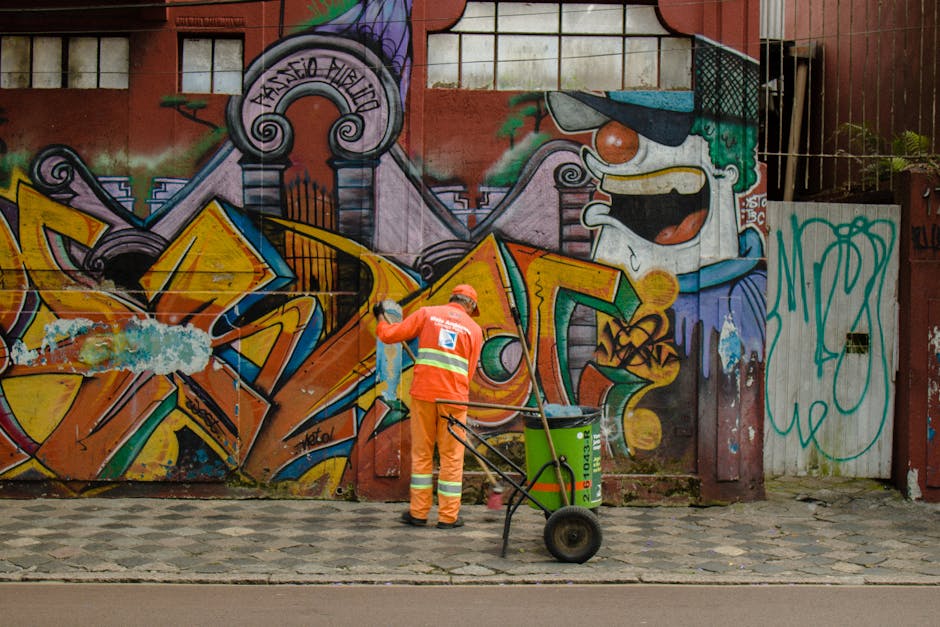
Graffiti on shutters, brickwork, glass, or public-facing walls can make a street feel tired in a matter of hours. Fly-tipping does something similar, only messier. On a busy stretch like Bishop's Bridge Rd, those problems are not just cosmetic; they can affect how safe, welcoming, and manageable an area feels for residents, businesses, and passers-by. If you are dealing with graffiti removal and fly-tipping cleanups on Bishop's Bridge Rd, the real question is usually simple: how do you get it sorted quickly, properly, and without making the damage worse?
This guide breaks the process down in plain English. You will learn how the clean-up works, what the main risks are, when it makes sense to bring in professional help, and what good practice looks like in London conditions. There is also a comparison table, a practical checklist, and a realistic example so you can make a calm, informed decision rather than a rushed one. To be fair, these jobs often look straightforward until you are standing in front of a wall with staining, broken glass, or unknown waste. Then the details matter.
Why Graffiti removal and fly-tipping cleanups on Bishop's Bridge Rd Matters
Bishop's Bridge Rd sits in a part of London where footfall, deliveries, residential access, and business visibility all overlap. That means a small mess can become a big impression very quickly. A tagged roller shutter can make a shopfront look neglected. A pile of dumped bags, furniture, or builder's waste can attract more dumping, block access, and create a smell that hangs around longer than anyone wants.
There is also a practical side. Graffiti can soak into porous surfaces if it is left too long, and fly-tipped waste can spread sharp edges, stains, or contamination. In damp weather, which London does not exactly lack, the problem often gets worse rather than better. You notice it first thing in the morning: a wall that looked dull yesterday now looks actively uncared for. Not ideal.
For landlords, managing agents, retailers, and site teams, speedy removal is about protecting reputation as much as protecting property. For residents, it is about keeping shared spaces usable. For anyone walking through the area, it is about confidence. People tend to trust spaces that look looked-after. Simple as that.
Expert summary: The best clean-ups on busy London roads are fast, careful, and proportionate. Remove the waste, treat the surface correctly, and avoid shortcuts that only hide the problem for a week or two.
How Graffiti removal and fly-tipping cleanups on Bishop's Bridge Rd Works
Although every job is different, the process usually follows a sensible sequence. The aim is not just to make the site look tidier. It is to remove the mess safely, protect the surrounding surface, and leave the area ready to use again without fresh damage.
1) Assess the site
The first step is identifying what you are dealing with. Graffiti on smooth painted metal is very different from spray paint on brick, and fly-tipped waste can range from a few loose bags to bulky items, broken fittings, or mixed rubbish. The site team also checks access, traffic conditions, parking constraints, and whether there are obvious hazards such as needles, glass, liquids, or unstable piles.
2) Choose the right removal method
There is no one-size-fits-all method. On some surfaces, a controlled cleaning chemical and low-pressure wash may do the job neatly. On others, you may need a gentler solvent, a dwell time, agitation, and careful rinsing. If the surface is fragile, over-aggressive cleaning can etch it, smear the paint, or strip an existing coating. The same logic applies to waste removal: heavy items are moved safely, bags are sorted, and anything contaminated is handled as such.
3) Protect people and property
Good clean-up work is as much about control as it is about removal. Barriers, warning signs, gloves, eye protection, and the right lifting approach all matter. On roads like Bishop's Bridge Rd, where vehicles and pedestrians can be close by, this part really matters. You do not want waste shifted into a live walkway or cleaning products splashed onto a neighbouring facade. That sort of thing happens when the job is rushed.
4) Remove, clean, and finish
Once the waste is cleared or the graffiti is lifted, the last stage is finishing. That might mean rinsing residue, drying the area, checking for shadowing, or applying a protective coating where appropriate. A decent finish should look natural, not over-processed. If the surface is still stained, the job is not truly done. A faint ghost image can be nearly as distracting as the original mark.
5) Dispose of waste responsibly
Fly-tipped items should not just disappear into the nearest bag. They need to be sorted and removed through proper waste handling routes. Responsible disposal matters for environmental reasons and for basic professionalism. If you care about sustainability, it is worth looking at a provider's recycling and sustainability approach before booking. That is not just a nice extra; it tells you how seriously they take the full job, not just the visible bit.
Key Benefits and Practical Advantages
When handled properly, graffiti removal and fly-tipping cleanups do more than improve appearance. They reduce knock-on problems that can quietly build up over time.
- Faster restoration of appearance: A clean frontage or clear pavement immediately changes how a place feels.
- Lower risk of repeat problems: Spaces that are cleaned quickly often stop looking like easy targets. Not always, but often enough to matter.
- Better safety: Removing loose waste, broken glass, and sharp objects reduces hazards for staff and the public.
- Reduced surface damage: Early graffiti treatment can limit staining and reduce the need for repainting or repair.
- Less disruption: A planned clean-up is usually faster and less messy than a delayed one.
- Stronger first impressions: For shops, offices, housing blocks, and managed sites, this can influence trust more than people admit.
There is also a quieter benefit: people feel better in spaces that are cared for. That matters on an everyday level. A tidy pavement, a clean wall, a clear doorway - these little things add up. And yes, they do affect how people behave around a place.
Who This Is For and When It Makes Sense
These services are relevant to a wide range of people and organisations. If you are unsure whether your problem qualifies as a clean-up job or something larger, that uncertainty is pretty common.
Typical users of these services
- Shop owners and retail managers who need shutters, signage, or frontages restored quickly.
- Landlords and letting agents dealing with graffiti on common areas, bin stores, or exterior walls.
- Facilities and estate teams responsible for keeping access routes tidy and safe.
- Residents' associations and property managers trying to keep shared spaces presentable.
- Construction or refurbishment teams facing dumped waste around a site entrance.
- Hospitality venues that need immediate action before a busy service period.
It makes sense to act as soon as the issue is noticed, especially if graffiti is fresh or the fly-tipping blocks access. If you wait, the job often gets harder. Paint cures. Waste gets damp. The smell gets stronger. A cold morning in London can make even a small dump site feel ten times worse than it was the day before.
If you are comparing providers, it is worth looking at who they are and how they work. A straightforward way to start is to review the company's about us page and understand the team behind the service. That can tell you a lot about standards, experience, and the way they approach jobs like this.
Step-by-Step Guidance
If you are organising graffiti removal or a fly-tipping clearance on Bishop's Bridge Rd, a clear process helps avoid delays and mixed expectations. Here is a practical approach.
- Document the issue. Take a few photos from different angles. That helps with quoting, planning, and deciding what equipment is needed.
- Check for hazards. Look for sharps, liquids, broken furniture, electrical items, or anything that seems unstable. If you see anything dangerous, do not handle it casually.
- Identify the surface or waste type. Brick, painted render, metal shutters, glass, paving, and timber all respond differently to cleaning.
- Choose the method. Decide whether the issue needs hand removal, washing, chemical treatment, waste loading, or a combination.
- Book at the right time. For busy streets, quieter hours often make the work easier and safer.
- Confirm disposal and finishing. Make sure the clean-up includes proper waste removal and a final check for staining or residue.
- Inspect the result. A quick walk-round after the work is finished is worth doing every time. It catches the small stuff.
A small but useful tip: if the graffiti is on a porous wall, ask whether a protective coating or follow-up treatment is sensible. Sometimes it is. Sometimes it is not. The right answer depends on the surface, not on what sounds convenient.
Expert Tips for Better Results
These are the things that make the difference between a decent tidy-up and a proper result.
- Act early on fresh graffiti. New paint is usually easier to remove than old, weathered paint.
- Test in a small area first. Especially on delicate or historic-looking surfaces, a test patch can save a lot of grief.
- Match the method to the material. Aggressive cleaning may solve one problem and create another. Bit of a trap, really.
- Do not ignore run-off. Wastewater and cleaning residue should be controlled so they do not spread stains across paving or into drains.
- Plan around traffic and pedestrians. On a road like Bishop's Bridge Rd, access management matters almost as much as the cleaning itself.
- Think about repeat incidents. If a wall has been targeted more than once, a protective finish or faster response plan can be useful.
One real-world observation: a well-timed response can save a lot of money later. A small graffiti tag that is cleaned quickly often stays a small job. Leave it, and it can turn into repainting, deeper stain removal, and more disruption than anyone wanted.
If you are arranging work and want confidence around safety, make sure the provider's health and safety policy and insurance and safety information are easy to understand. Those details tell you how seriously the practical side is taken.
Common Mistakes to Avoid
People often make the same mistakes with graffiti and fly-tipping, and most of them are avoidable.
- Waiting too long to act: Delays can let staining set, attract more dumping, or make the area feel neglected.
- Using the wrong cleaner: Harsh products can damage paint, etch stone, or leave a visible patch.
- Assuming all waste is harmless: Fly-tipping can include sharp, heavy, or contaminated material. Treat it properly.
- Skipping the final inspection: Small residue marks can be missed if no one checks the result in daylight.
- Ignoring access issues: A clean-up near traffic, loading bays, or pedestrian routes needs proper planning.
- Not asking about disposal: Removal is only half the job. Responsible disposal matters too.
Let's face it, most bad outcomes come from trying to save time in the wrong place. A shortcut on a job like this rarely feels like a shortcut later on.
Tools, Resources and Recommendations
For most clean-ups, the right kit depends on the surface and the type of contamination. You do not need to become an expert in every product, but it helps to know the broad categories.
| Task | Useful approach | Why it matters |
|---|---|---|
| Fresh graffiti on metal | Targeted cleaning solution, soft agitation, controlled rinse | Removes paint without scratching the finish |
| Graffiti on brick or render | Test patch, suitable remover, low-pressure method | Reduces the risk of ghosting or surface damage |
| Loose fly-tipped bags | Manual collection, bagging, segregated disposal | Keeps the site tidy and safe during removal |
| Bulky dumped items | Team lift, moving equipment, planned loading route | Prevents injury and avoids damage to nearby areas |
| Mixed waste or suspicious items | Hazard-aware handling and careful sorting | Reduces health and safety risks |
When you are requesting a quote, useful information includes photos, surface type, access details, and whether the area needs to be made safe as part of the job. If you want a clear starting point, the pricing and quotes page is the place to understand how estimates are typically handled.
It can also help to know how the company deals with customer data, payment handling, and service expectations. That sounds a bit dry, but it really is part of trust. The relevant pages are payment and security, privacy policy, and terms and conditions.
Law, Compliance, Standards and Best Practice
This type of work often sits at the intersection of cleaning, waste handling, safety, and property management. You do not need a law degree to organise it, thankfully, but a few principles are worth keeping in mind.
First, fly-tipped waste should be treated as waste to be collected and disposed of properly, not just shifted out of sight. Second, anyone carrying out the work should use safe manual handling, suitable protective equipment, and a sensible risk-based approach to the site. Third, if the area is on or beside a busy road, traffic and pedestrian movement need to be considered before anyone starts.
Best practice usually means:
- checking access and hazards before work begins
- using the least aggressive method that still achieves a proper clean
- sorting waste appropriately rather than mixing everything together
- leaving the surface clean, stable, and visually tidy
- recording any damage that needs separate repair
If you are commissioning work through a professional provider, it is reasonable to ask how they handle complaints, safety, and sustainability. Those are not bureaucratic boxes to tick; they are signs of a service that has thought things through. You can also review the company's complaints procedure and recycling and sustainability information if you want a fuller picture.
Options, Methods, or Comparison Table
Different situations call for different approaches. Here is a simple comparison that may help you decide what kind of support you need.
| Option | Best for | Strengths | Limitations |
|---|---|---|---|
| DIY spot cleaning | Very small, fresh graffiti on a suitable surface | Quick if you already have the right materials | Higher risk of damage, patchiness, or incomplete removal |
| Targeted professional graffiti removal | Most wall, shutter, and frontage incidents | Better surface matching and cleaner finish | Requires correct assessment and access |
| Full fly-tipping clearance | Bulky, mixed, or widespread dumped waste | Safe handling and proper disposal included | May need more time for sorting and loading |
| Combined clean-up service | Sites with both graffiti and dumped waste | Efficient for complex or repeated incidents | Needs a detailed site brief to avoid surprises |
If the issue is a single mark on a smooth surface, DIY may seem tempting. But if there is staining, porous material, unknown waste, or traffic nearby, professional help is usually the calmer option. And calmer often means cheaper in the end. Funny how that works.
Case Study or Real-World Example
Imagine a small retail frontage near Bishop's Bridge Rd after a weekend spell of bad weather. By Monday morning, the shutter has been spray-tagged and a pile of mixed rubbish has been dumped just to one side of the entrance: broken packaging, a torn chair, and a couple of bags that look heavier than they should. Staff can still enter, but only just.
A sensible clean-up would start with photos and a quick hazard check. The waste would be removed first so the area is safe to work around. Then the shutter would be treated with a suitable remover that matches the paint and metal finish. If the wall beside it is porous, the cleaner would likely test a small patch before doing anything more visible. Finally, the area would be rinsed, inspected in daylight, and left ready for normal use.
The real win here is not just that the shop looks better. It is that staff can get on with the day, customers are not stepping around debris, and the frontage no longer sends the wrong signal before opening time. That might sound small, but in a busy London street it is not small at all.
Practical Checklist
Use this checklist before booking or carrying out a clean-up.
- Take clear photos of the graffiti or fly-tipped waste
- Note the exact location and access restrictions
- Check for broken glass, sharps, liquids, or electrical items
- Identify the surface type if possible
- Confirm whether the job needs urgent attendance
- Ask how waste will be removed and disposed of
- Ask whether the cleaning method is suitable for the material
- Review safety, insurance, and complaint information
- Request a written quote or clear estimate
- Inspect the finished area before signing off
Quick takeaway: the best result usually comes from acting early, choosing the right cleaning method, and making sure disposal is handled properly from start to finish.
Conclusion
Graffiti removal and fly-tipping cleanups on Bishop's Bridge Rd are about more than appearances. They protect property, reduce hazards, and help a busy local area stay usable and welcoming. The best outcomes come from a clear plan: assess the site carefully, match the method to the material, remove waste responsibly, and check the final finish in proper light.
Whether you manage a frontage, a shared entrance, a block, or a commercial site, a fast and well-handled response is usually worth it. It saves time, avoids avoidable damage, and keeps the whole place feeling a bit more under control. And honestly, that matters more than people sometimes admit.
If you are comparing providers, choose one that is transparent about safety, pricing, sustainability, and support. That kind of clarity makes everything easier, especially when the issue is already causing stress.
Get a free quote today and see how much you can save.
Sometimes the simplest clean-up is the one that restores the most peace of mind.
Frequently Asked Questions
How quickly should graffiti be removed on Bishop's Bridge Rd?
As quickly as practical. Fresh graffiti is usually easier to remove, and fast action helps stop the area from looking neglected. It can also reduce the chance of the paint settling deeper into porous surfaces.
Can fly-tipped waste be removed the same day?
Often yes, if access is straightforward and the waste is not unusually hazardous or bulky. Same-day clearance is especially useful where the dump is blocking access, causing odour, or creating a safety issue.
Is graffiti removal safe on brickwork?
It can be, but brick is porous and needs a careful approach. A test patch and the right product matter a lot. Heavy-handed cleaning can leave shadowing or damage the surface texture.
What if the dumped waste includes sharp or dangerous items?
Then it should be treated with extra caution. Items like broken glass, needles, chemicals, or unstable furniture require proper handling and should not be moved casually without protection and planning.
Do I need a professional for small graffiti marks?
Not always. Very small marks on a suitable surface may be manageable. But if there is any doubt about the material, finish, or safety, a professional clean-up is usually the safer bet. Less drama too.
What affects the cost of graffiti removal and fly-tipping clearance?
Costs usually depend on the size of the job, the type of surface, access, the amount of waste, any hazardous elements, and whether the clean-up needs urgent attendance or specialist treatment. A clear quote should reflect those factors.
Will cleaning remove all traces of graffiti?
Most of the time, yes, but not every surface responds the same way. Porous or weathered materials can sometimes hold a faint shadow even after treatment. In those cases, a second pass or a wider surface treatment may help.
Can repeat graffiti be prevented?
Sometimes. Anti-graffiti coatings, faster response times, improved lighting, and tidier surroundings can all help. None of them are magic, but they can reduce repeat incidents in many settings.
What should I check before booking a clean-up service?
Look at safety, insurance, disposal practices, pricing clarity, and whether the company explains its process clearly. If the provider is transparent from the start, that is usually a good sign.
How do I know if the waste has been disposed of responsibly?
Ask how materials are sorted and removed, and whether recycling is used where appropriate. A reliable provider should be able to explain its process without making it sound like a secret mission.
Are graffiti and fly-tipping cleanups disruptive to nearby businesses?
They can be if they are not planned well, but a proper approach keeps disruption down. Timing, access control, and clear communication make a big difference, especially on a road with regular foot and vehicle movement.
What is the next step if I need help now?
Gather a few photos, note the location, and request a quote with as much detail as possible. If you want to speak to a team directly, use the contact us page to start the conversation.